Concrete Floor Coatings for Medical and Veterinary Clinics in the Upstate
Concrete Floor Coatings for Medical and Veterinary Clinics in the Upstate
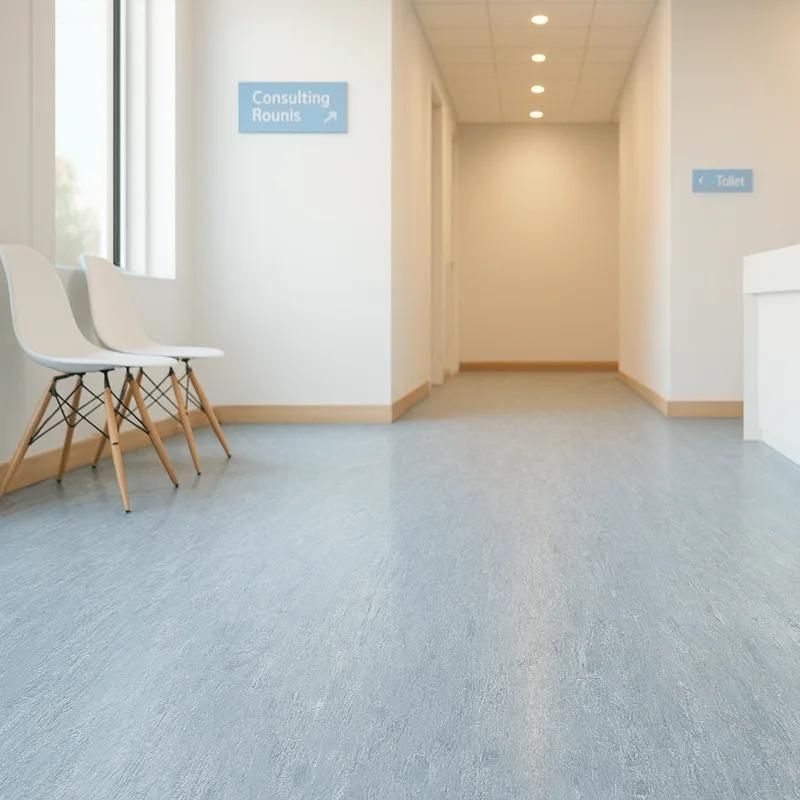
Medical and veterinary clinics have stricter floor requirements than almost any other commercial space. The floor has to be sanitary, seamless, chemical-resistant, and easy to disinfect — every day, for years, without breaking down. It also has to look professional, because the floor is one of the first things patients and clients notice when they walk in.
If you run a medical office, dental practice, urgent care, surgery center, or veterinary clinic in the Upstate, the floor you're standing on is doing a lot of work for you. Or, depending on what's down there, working against you.
Here's how we approach floor coatings for clinical spaces in Greenville and across the Upstate.
What Makes Clinical Floors Different
The floors in a doctor's office or animal hospital deal with a unique combination of demands:
Aggressive daily disinfection — bleach, quaternary ammonium compounds, peroxide-based cleaners, alcohol — used multiple times a day across every surface
Biological fluids — blood, urine, saliva, vomit, surgical fluids — all of which can stain or contaminate unprotected concrete
Seamless cleanability — no grout lines or seams that can trap bacteria and resist sanitation
Slip resistance — clinical environments are wet floors waiting to happen, and a fall risk is a serious liability
Wheeled equipment — exam carts, surgical tables, mobile x-ray, dental chairs all rolling across the floor daily
Patient and client perception — a clean, modern floor signals a clean, modern practice
Vinyl tile, sheet vinyl, and carpet are the old defaults, but they all have problems: grout lines harbor bacteria, sheet vinyl seams lift over time, and carpet in a clinical setting is asking for trouble. Modern concrete coating systems solve all of it.
The Best Floor Coating Options for Greenville Clinics
1. Seamless Epoxy Systems
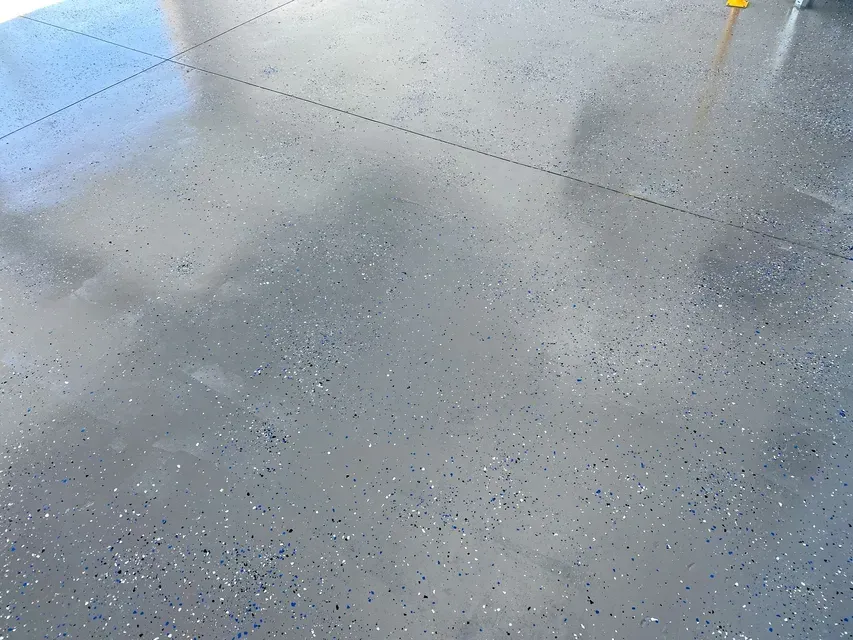
For most medical and veterinary applications, a high-performance epoxy system is the right answer. Seamless, chemical-resistant, easy to disinfect, and customizable in color and finish. The lack of seams is the big win — bacteria and fluids can't get into joints or grout lines because there aren't any.
Our commercial epoxy flooring systems can include integral cove bases (where the floor curves up the wall instead of meeting at a 90-degree joint), giving you a fully cleanable surface from floor to wall. That's standard practice in surgical suites and high-sanitation zones.
2. Urethane Cement for Surgical and Wet Zones
For surgery centers, animal surgical suites, kennel washdown areas, and dental sterilization rooms — anywhere the chemical exposure and moisture are most intense — urethane cement is the upgrade. It handles hot water, aggressive disinfectants, thermal shock, and constant wet conditions better than standard epoxy. Same systems used in commercial kitchens and food production — our commercial kitchen flooring page covers the principles, and the application to clinical wet zones is nearly identical.
3. Polished Concrete with Antimicrobial Sealer
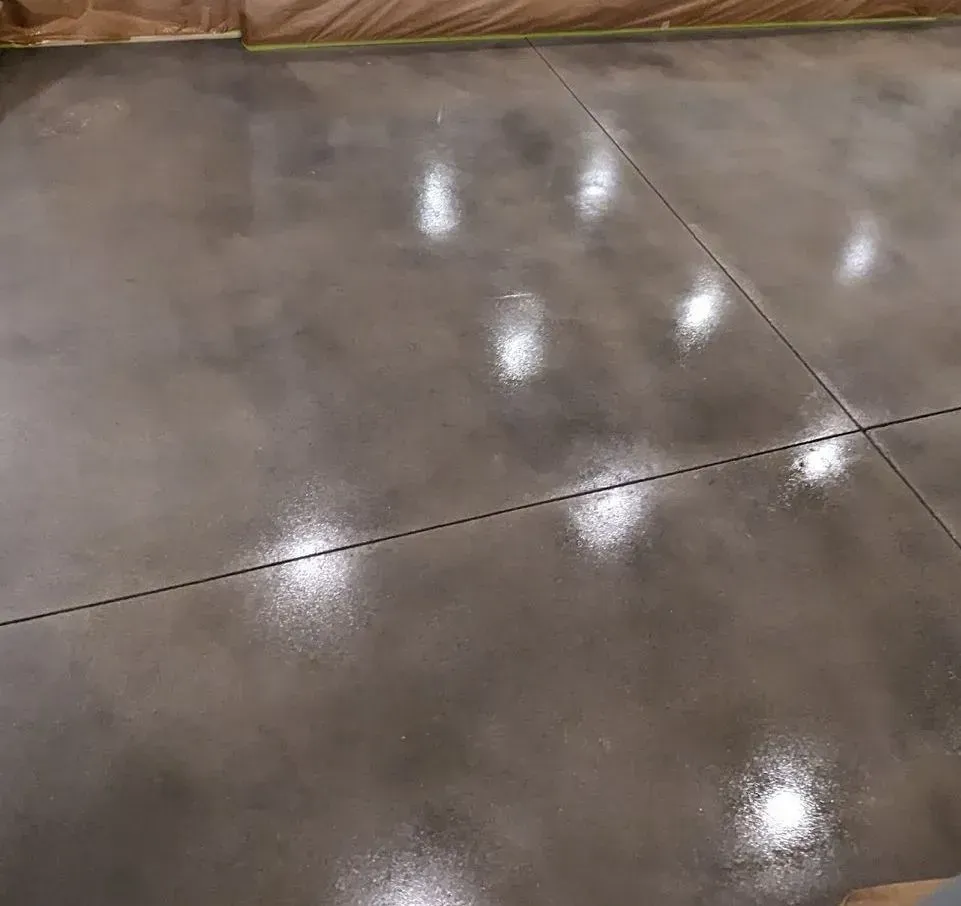
For reception areas, waiting rooms, and hallways where the chemical exposure is lower but cleanability still matters, polished concrete with an antimicrobial sealer is a strong option. Beautiful, durable, easy to maintain, and projects the modern, clean aesthetic medical practices increasingly want.
Many clinics we work with use a hybrid approach: polished concrete in patient-facing areas, epoxy in exam rooms, and urethane cement in surgical or wet zones. Same contractor, same project, three systems tuned to three different demands.
Specific Clinic Types and What They Need
Medical and Dental Offices
Standard seamless epoxy in exam rooms, hallways, and clinical zones. Polished concrete or decorative epoxy in reception. Slip-resistant additives in any area with sinks or potential wet conditions. Color options to match the practice brand.
Veterinary Clinics and Animal Hospitals
Vet clinics are essentially medical practices plus food service plus boarding plus surgery — everything happens in one building. Our usual recommendation: seamless epoxy with cove base throughout exam, treatment, and boarding areas. Urethane cement in kennel washdown zones and surgical suites. Aggressive slip-resistance everywhere — wet floors are constant. Antimicrobial topcoats where pets and staff make extensive contact with the floor.
Urgent Care and Outpatient Surgery
Higher-traffic version of a medical office, with more intense chemical exposure and tighter sanitation protocols. Seamless epoxy with cove base in clinical zones, urethane cement in any procedure rooms, and decorative or polished finishes in lobby and check-in areas.
Physical Therapy and Rehab
Different challenge: heavy equipment traffic, occasional wet areas around hydrotherapy or ice baths, and a wellness-focused aesthetic. Polished concrete or decorative epoxy works well for the main floor, with targeted urethane or epoxy in wet zones.
What to Avoid
A few things we steer clinical clients away from:
Vinyl tile in active clinical areas — grout lines are bacterial traps and seam failures lift edges that can harbor contamination
Standard residential-grade epoxy — won't hold up to medical-grade disinfectants and will yellow or fail within a few years
Smooth high-gloss finishes in wet areas — beautiful until someone slips on a wet surface and lawyers get involved
Coatings without integral cove base in surgical or high-sanitation zones — the 90-degree corner where the floor meets the wall is where contamination collects, and a coved transition solves it
Spec the system for the actual use, not the cheapest option that looks similar. Our commercial concrete coatings systems are matched to environment, not catalog-ordered.
What Greenville Clinic Owners Should Ask
When evaluating contractors for a medical or vet floor project, the right questions are different than for a typical commercial job:
What's the chemical resistance rating of the topcoat — specifically to bleach, quats, and peroxides?
Is the system seamless, including at wall transitions?
What slip-resistance level is built into the topcoat?
How long will the space be out of service for install and cure?
What's the recoat or refresh schedule for sustained use?
If a contractor can't answer those clearly, they're not equipped for clinical work.
How ZDC Handles Clinic Floors in the Upstate
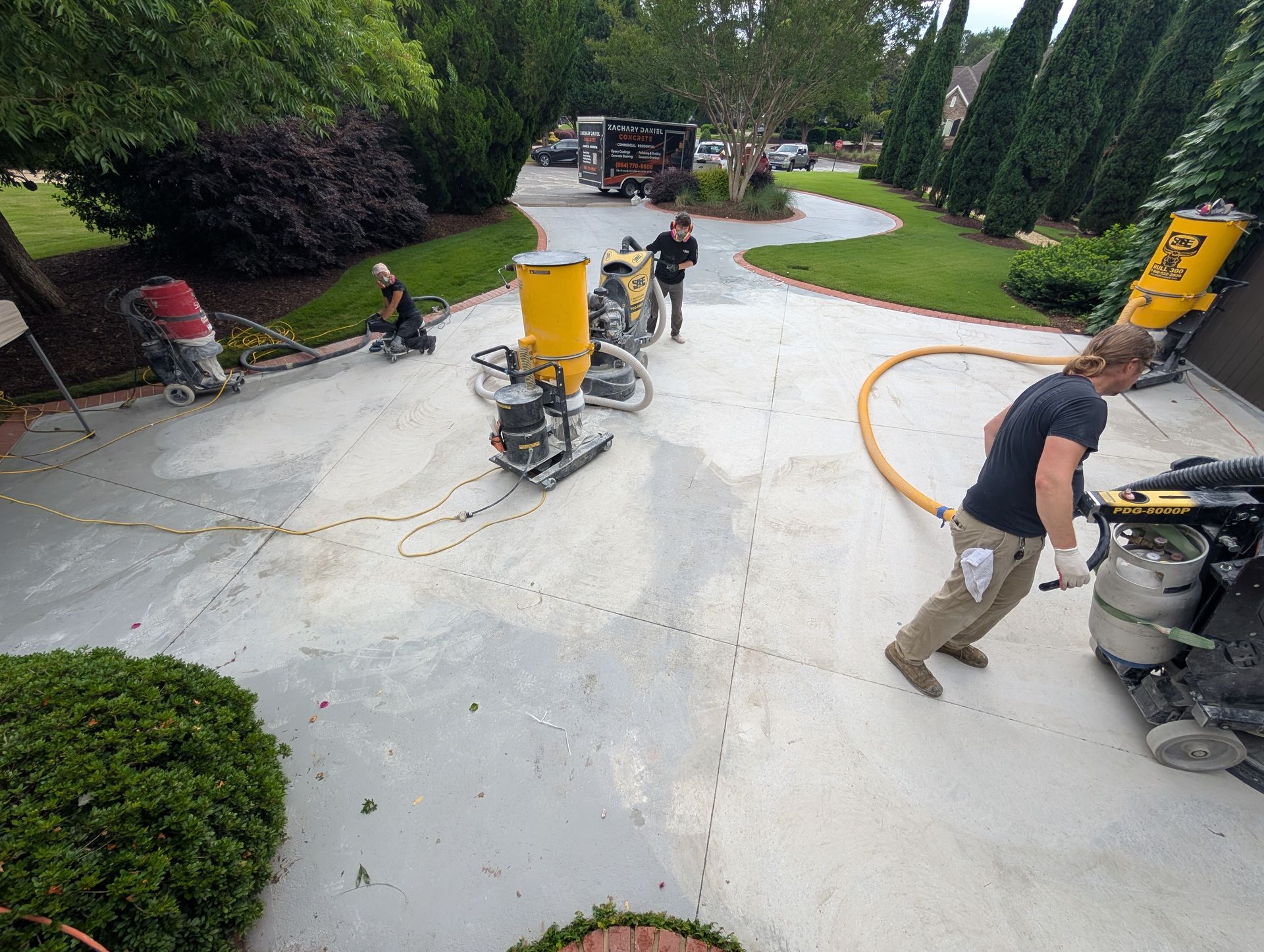
We've coated floors in clinical and professional spaces across Greenville, Greer, Spartanburg, and the broader Upstate. The approach is consistent: assess the specific demands of each zone, spec the right system for each, prep the slab properly, and install with the cure-time and sanitation protocols clinical spaces require.
We can also phase work after-hours or across weekends to keep your practice running. Most clinic floor projects can be done with minimal downtime if planned right.
Get a Free Estimate for Your Clinic Floor
Whether you're building out a new medical office, remodeling an existing clinic, or finally retiring the vinyl tile that's been failing for years, we can walk the space with you and recommend the right system. Give Zach a call at (864) 770-8608 or reach out through our contact page. On-site consultations are free across the Upstate.