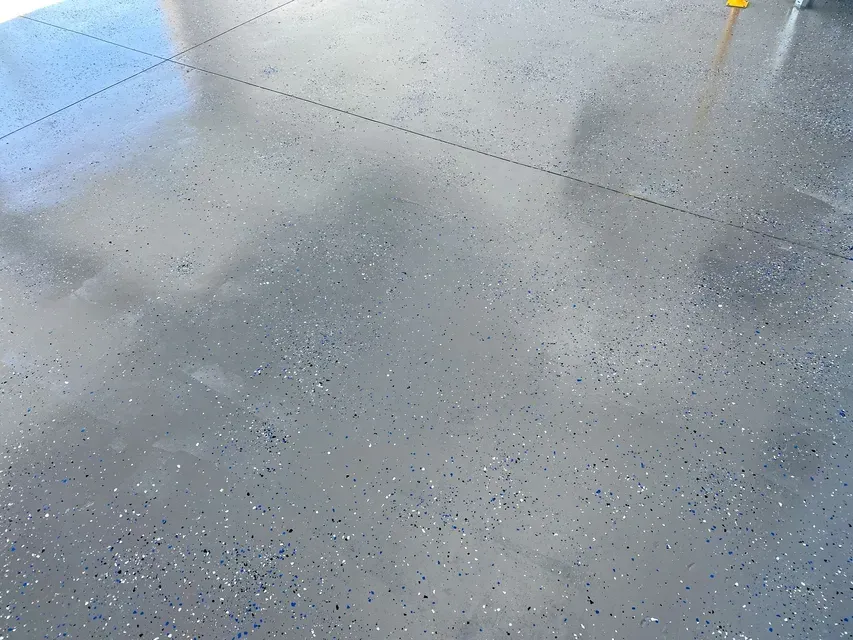
Concrete Floor Flatness vs Levelness for Commercial Spaces
What Does Floor Flatness Mean in a Concrete Floor?
Floor flatness is all about how smooth a concrete floor feels when you move across it. Imagine sliding a toy car across the floor. If it rolls smoothly without bumps, that floor is flat. If it rattles and jumps, the floor has waves and dips. Flatness focuses on short distances and small changes you can't always see at first glance.
In everyday terms, flat floors make spaces easier and safer to use. In commercial concrete settings, flatness helps equipment roll smoothly, shelves sit evenly, and people move around without tripping. It's one of those quiet details that does a lot of work behind the scenes.
Understanding Floor Levelness in Commercial Concrete Projects
Levelness is different from flatness. It describes how high or low a concrete floor sits from one end of a room to the other. Picture a calm lake. When the waterline stays even across the surface, the lake is level. If one side rises higher, the surface is no longer level.
In commercial concrete projects, levelness matters when large spaces must stay even. Floors that are not level can cause doors to swing, displays to tilt, and drainage to fail. Proper level floors create balance, improve function, and help wide open buildings feel stable, professional, and carefully planned overall use.
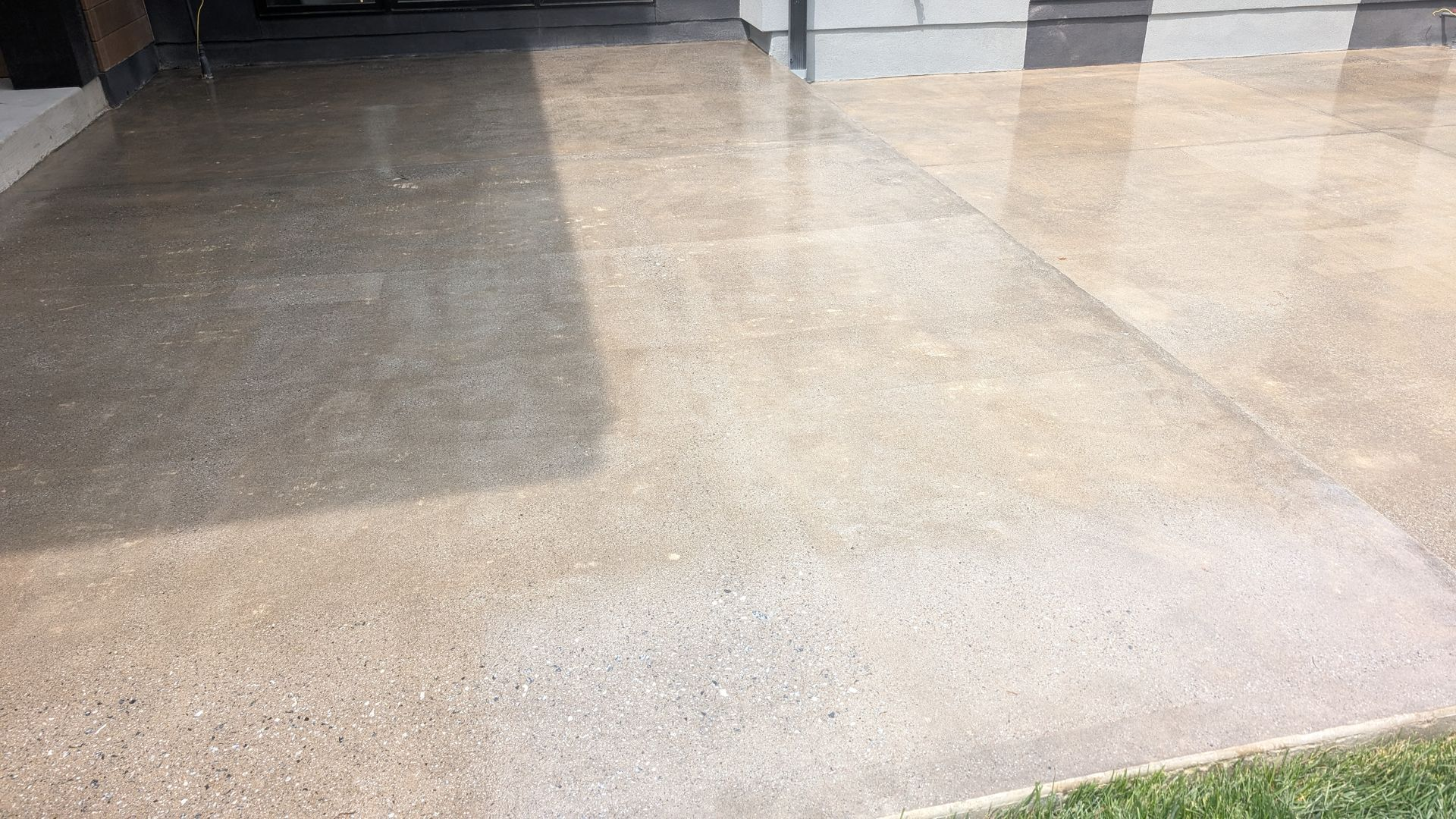
Concrete Floor Flatness vs Levelness: Why the Difference Matters
Flatness and levelness may sound similar, but they solve very different problems. A concrete floor can be flat yet still slope slightly from one end to the other. It can also be level overall while having small bumps and dips across the surface.In commercial concrete spaces, knowing what matters most saves time and money during planning.
Warehouses often care more about flatness for smooth equipment movement, while retail stores usually need better levelness for displays and comfort. When expectations are clear early, the finished floor supports daily use, safety, and long term performance without costly corrections later on projects.
How Concrete Floor Flatness Impacts Warehouses and Distribution Centers
Warehouses depend on flat concrete floors to keep daily operations running smoothly. Forklifts, pallet jacks, and rolling carts move constantly throughout the space. Even small bumps or dips can slow movement, cause spills, or create safety risks. A flatter floor helps protect workers while keeping equipment steady and predictable.
In commercial concrete warehouse settings, flatness also keeps shelves stable and loads secure. Smooth surfaces reduce stress on wheels, tires, and machines, helping them last longer. When floors are properly flat, everything moves easier, faster, and with fewer interruptions, making the entire workspace safer and more efficient.
Why Floor Levelness Is Critical for Commercial Concrete Retail Spaces
Retail spaces depend on how everything looks and feels the moment someone walks in. A level concrete floor helps shelves stand straight, displays line up neatly, and customers feel comfortable moving through the space. Even a small slope can throw off the balance and make a store feel slightly uncomfortable without anyone knowing exactly why.
In commercial concrete retail environments, levelness also plays a big role in how fixtures are installed. Counters, racks, and walls all need a balanced surface to sit correctly. When floors are level, the space feels clean, polished, and professional, creating a sense of trust and comfort that quietly supports the shopping experience.
Common Concrete Floor Problems Caused by Poor Flatness or Levelness
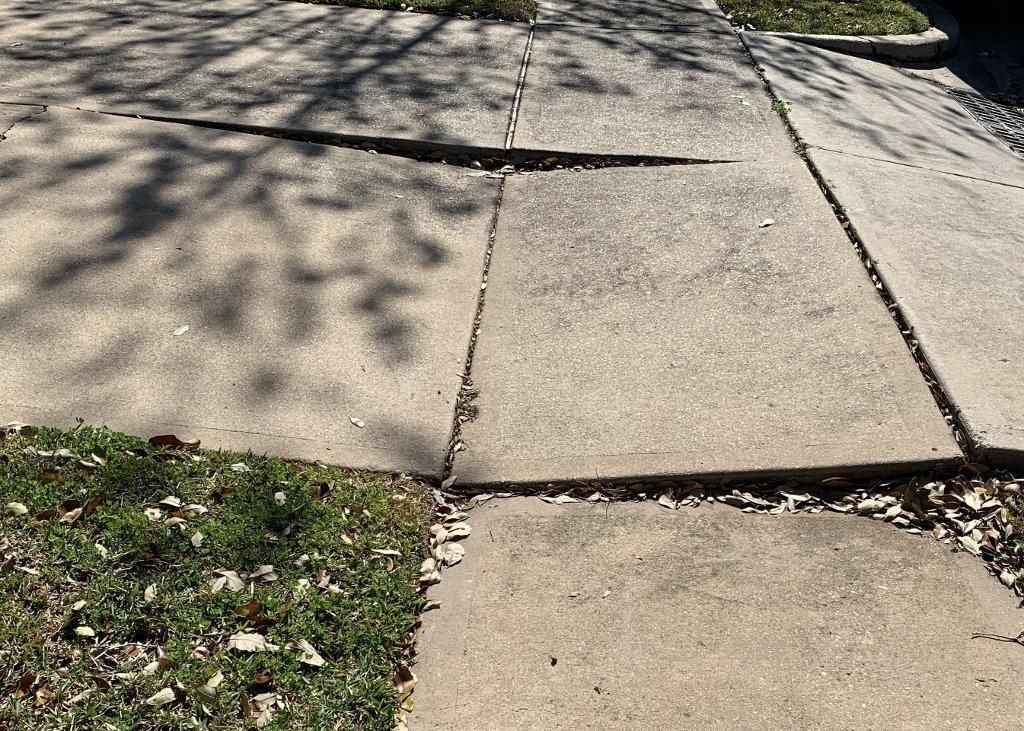
When flatness or levelness is ignored, problems tend to appear quickly. Uneven concrete floors can create tripping hazards, cause rolling equipment to drift, or allow water to pool where it should not. These issues often start small but can grow into larger concerns that affect safety and daily use.
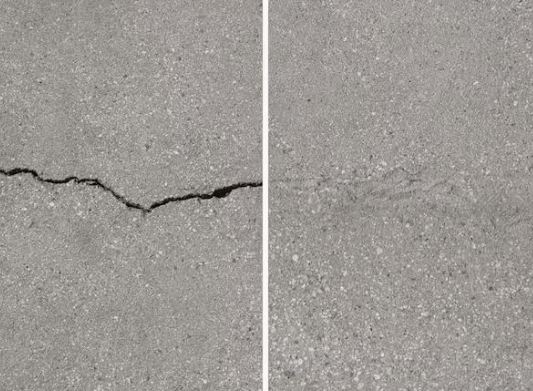
Wobbly shelves, cracked flooring finishes, uneven drainage, and faster wear on equipment are all common results of poor floor conditions. In commercial concrete spaces, these problems can disrupt operations and increase repair costs over time. Careful planning from the beginning helps prevent these issues and ensures floors perform reliably for years to come.
How Flatness and Levelness Are Measured in Commercial Concrete Floors
Flatness and levelness are not based on guesswork. Professionals measure them using specialized tools and established standards made specifically for concrete floors. These measurements detect small surface changes across short sections as well as gradual shifts over longer distances.
In commercial concrete projects, accurate measurements help ensure the floor fits its intended purpose from the start. Clear standards create accountability for everyone involved in the project. When expectations are defined early, there is a shared understanding of what quality looks like before any concrete is poured or finished.
Choosing the Right Commercial Concrete Floor for Your Space
Every space has different needs, and the right concrete floor brings everything into balance. Flatness, levelness, durability, and purpose all work together to create a surface that performs the way it should. When these basics are understood, homeowners and business owners can make confident decisions that support both function and long-term value.
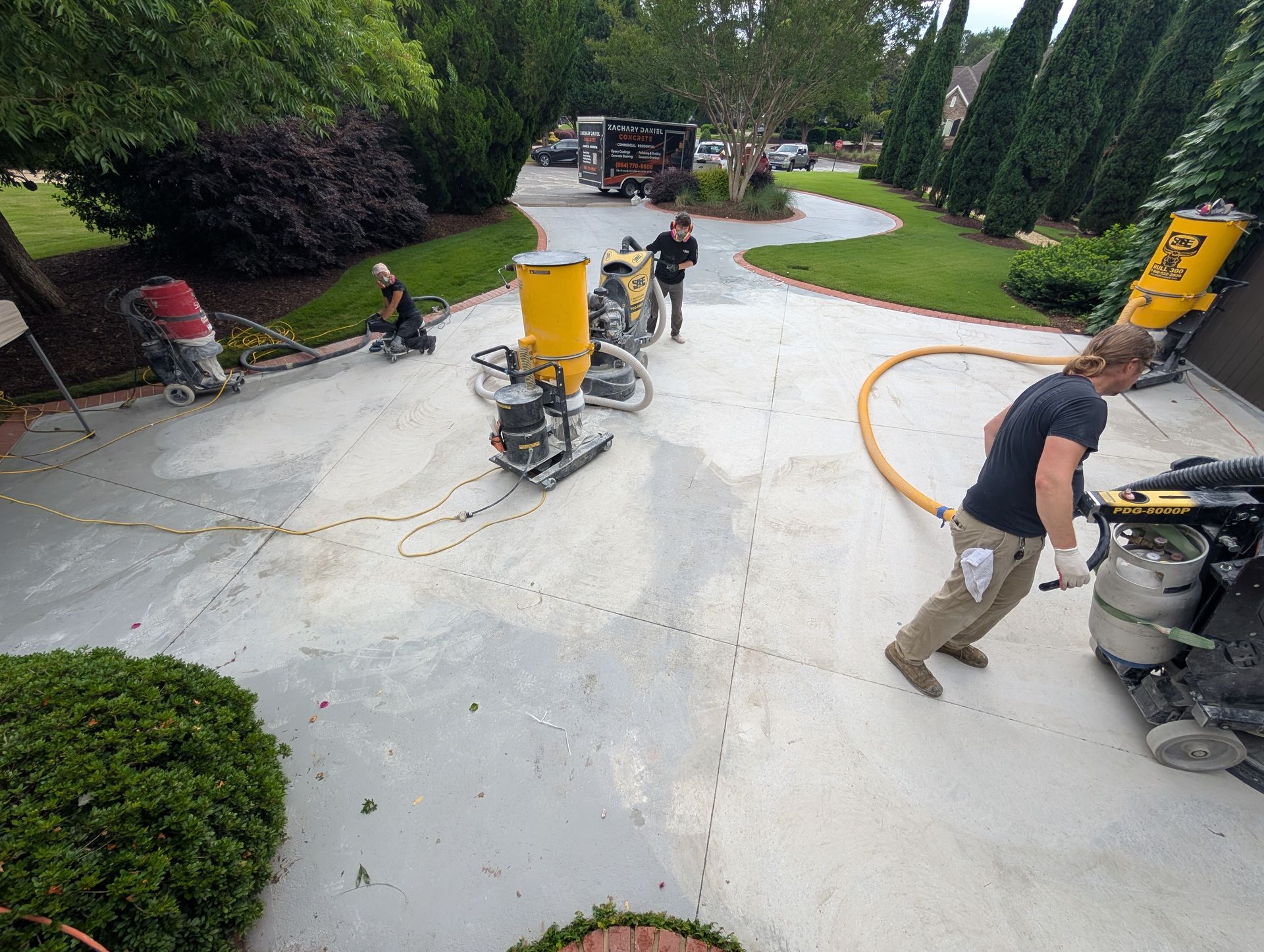
If you're planning a project and want guidance you can trust, contact Zachary Daniel Concrete to help. Based in Greenville, SC, our team focuses on thoughtful planning, clear communication, and quality craftsmanship. Call at (864) 770-8608 today to talk through your commercial concrete needs and take the next step with confidence.