How to Tell If Your Concrete Is Ready for Polishing
How Concrete Polishing Depends on Slab Strength and Condition
Think of your concrete like the foundation of a house. If it's strong and steady, everything built on top of it shines. But if it's weak or cracked, even the best polishing won't give you that smooth, glossy finish you're hoping for. Concrete polishing works by grinding down the surface, which means the slab underneath must be tough enough to handle that process without breaking apart or wearing down unevenly during each step.
Before anything begins, it helps to take a closer look at the overall condition of your slab. A surface that feels solid, level, and free of major cracks is a great starting point. When your concrete is healthy and well-prepared, polishing brings out a clean, bright finish that lasts for years and adds both beauty and durability to your space.
Signs Your Concrete Is Ready for Concrete Polishing
Not all concrete is ready for polishing right away, but there are clear signs that show when your floor is a good candidate. If your slab looks smooth, has only minor imperfections, and feels firm underfoot, you're likely in good shape. Concrete polishing works best when the surface is dense and consistent, allowing the grinding process to create an even and attractive finish.
A ready slab usually has a level surface, minimal cracking, and a uniform texture throughout. When these qualities are present, polishing becomes a reliable upgrade instead of a risky project. The better your starting point, the more impressive the final shine will be, giving you a sleek, modern floor that holds up beautifully over time.
Minimum Strength Requirements for Successful Concrete Polishing
Behind every polished concrete floor is one important factor: strength. Concrete needs to reach a certain hardness level before polishing can begin. If the slab is too soft, the grinding tools can damage the surface instead of refining it. That's why concrete polishing depends on a solid base that can handle pressure and repeated passes during the process.
Most professionals look for concrete with a compressive strength of at least 3,000 PSI or higher. In simple terms, this means your slab needs to be strong enough to resist wear and hold its shape under stress. When your concrete meets this requirement, polishing creates a smooth, durable surface that stays beautiful for years without breaking down.
Why Older Slabs May Need Testing Before Concrete Polishing
Older concrete can seem like a great candidate for polishing, but age alone doesn't tell the full story. Over time, slabs can weaken due to moisture, heavy use, or changes in the environment. That's why testing is often recommended before starting concrete polishing, even if the surface looks fine at first glance.
Hidden issues like internal cracks or trapped moisture can affect how well the slab responds to polishing. Testing helps uncover these problems early so they can be addressed before work begins. When you understand the true condition of your concrete, you can move forward with confidence and achieve a polished finish that looks great and lasts longer.
Surface Damage That Can Affect Concrete Polishing Results
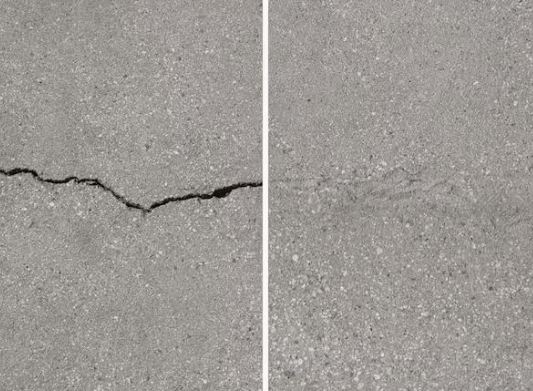
Surface damage can have a big impact on how your polished floor turns out. Just like a scratched mirror won't shine evenly, damaged concrete can create an uneven or dull finish. Chips, cracks, and small holes can interfere with the polishing process and make it harder to achieve that smooth, reflective look.
The good news is that many surface issues can be repaired before polishing begins. By fixing damaged areas and smoothing out imperfections, you create a clean foundation for the process. This preparation step helps ensure your concrete polishing project delivers a consistent, high-quality result that enhances the overall appearance of your space.
How to Evaluate Your Floor Before Concrete Polishing Begins
Before starting a polishing project, it's important to take a close look at your floor. Think of it as a quick checkup that helps you understand what you're working with. By evaluating your slab early, you can identify potential issues and make informed decisions about the next steps.
Walk across the surface and pay attention to how it feels. Look for uneven areas, visible cracks, or stains that could affect the outcome. A solid and stable floor is the best starting point for concrete polishing. Taking the time to evaluate your slab ensures a smoother process and a better final result.
Common Weak Spots That Can Impact Concrete Polishing
Some areas of your concrete slab are more likely to develop problems than others. These weak spots can affect how evenly the floor polishes and how well it holds up over time. Edges, corners, and high-traffic areas often show more wear and may need extra attention before polishing begins.
Moisture-prone spots near doors or windows can also weaken the surface over time. Addressing these areas early helps create a more balanced and durable foundation. When weak spots are reinforced, your concrete polishing project can achieve a more uniform finish that looks great and performs well for years.
Does Concrete Age Improve or Hurt Concrete Polishing Outcomes
Age can play an interesting role in how concrete responds to polishing. In some cases, older concrete becomes harder over time, which can actually improve the results of concrete polishing. A well-maintained slab that has had time to cure properly can produce a beautiful, high-gloss finish.
However, age can also bring challenges. Years of wear, exposure to moisture, or neglect can weaken the slab and create hidden issues. That's why it's important to consider both the age and condition of your concrete. A strong, well-kept surface can polish beautifully, while a damaged one may need repairs first.
Testing Methods Used Before Concrete Polishing Projects
Testing your concrete before polishing is a smart step that helps ensure success. These tests give you a clearer picture of the slab's strength, moisture levels, and overall condition. By gathering this information, you can avoid surprises and plan the project with confidence.
Professionals often use simple methods like hardness testing, moisture checks, and visual inspections to evaluate the slab. These steps help confirm that your concrete is ready for concrete polishing. When your floor passes these tests, you can move forward knowing you're building on a solid foundation.
When Concrete Is Not Strong Enough for Concrete Polishing
Sometimes, a concrete slab isn't ready for polishing right away, and that's completely normal. If the surface is too soft or damaged, polishing can lead to poor results. Instead of forcing the process, it's better to strengthen and repair the slab first to ensure a successful outcome.
Options like applying a densifier, repairing cracks, or resurfacing the concrete can make a big difference. If you're unsure where your concrete stands,
reach out to Zachary Daniel Concrete in Greenville, SC and
call at (864) 770-8608 and let our team guide you toward a strong, polished finish. Taking the time to prepare your slab properly turns a weak surface into one that's ready to shine.