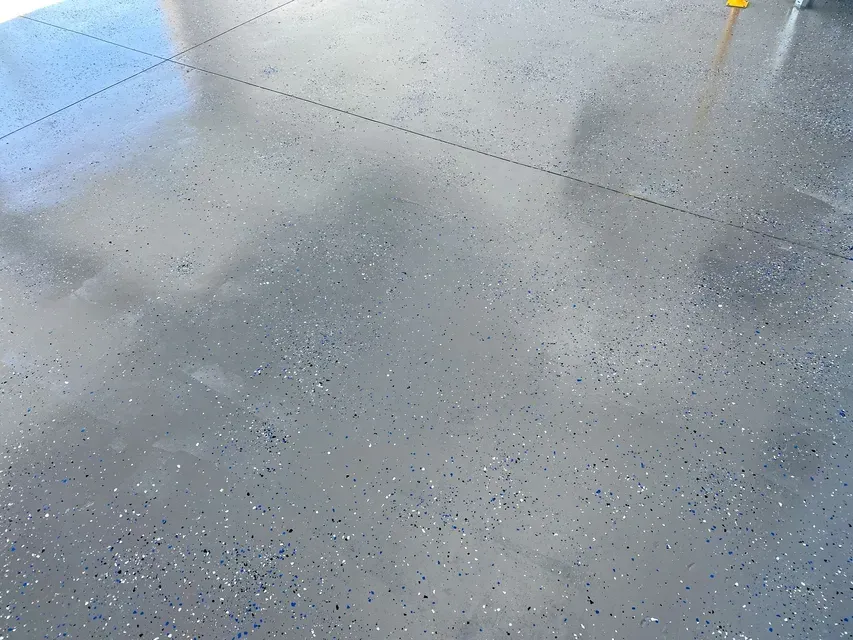
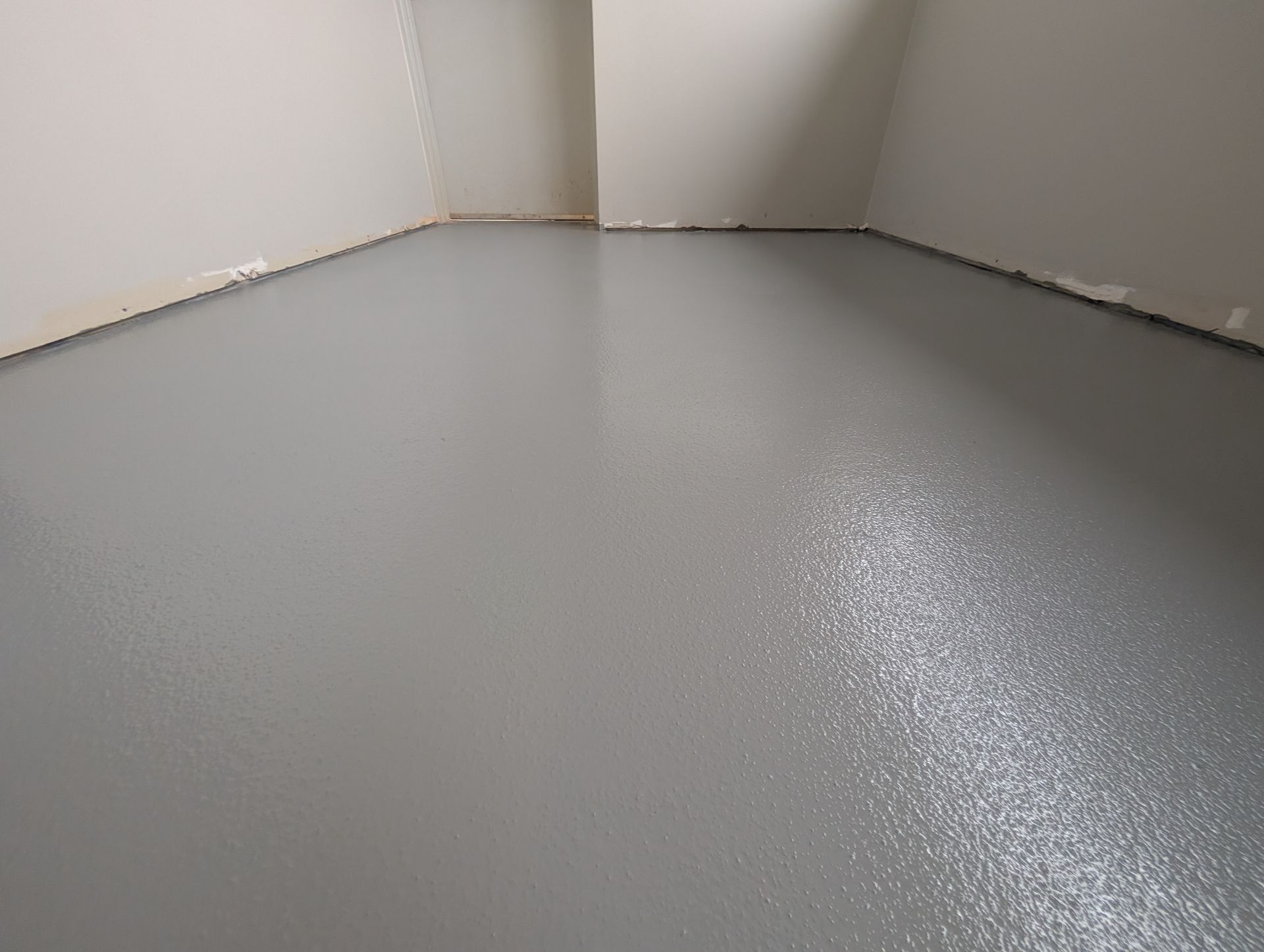
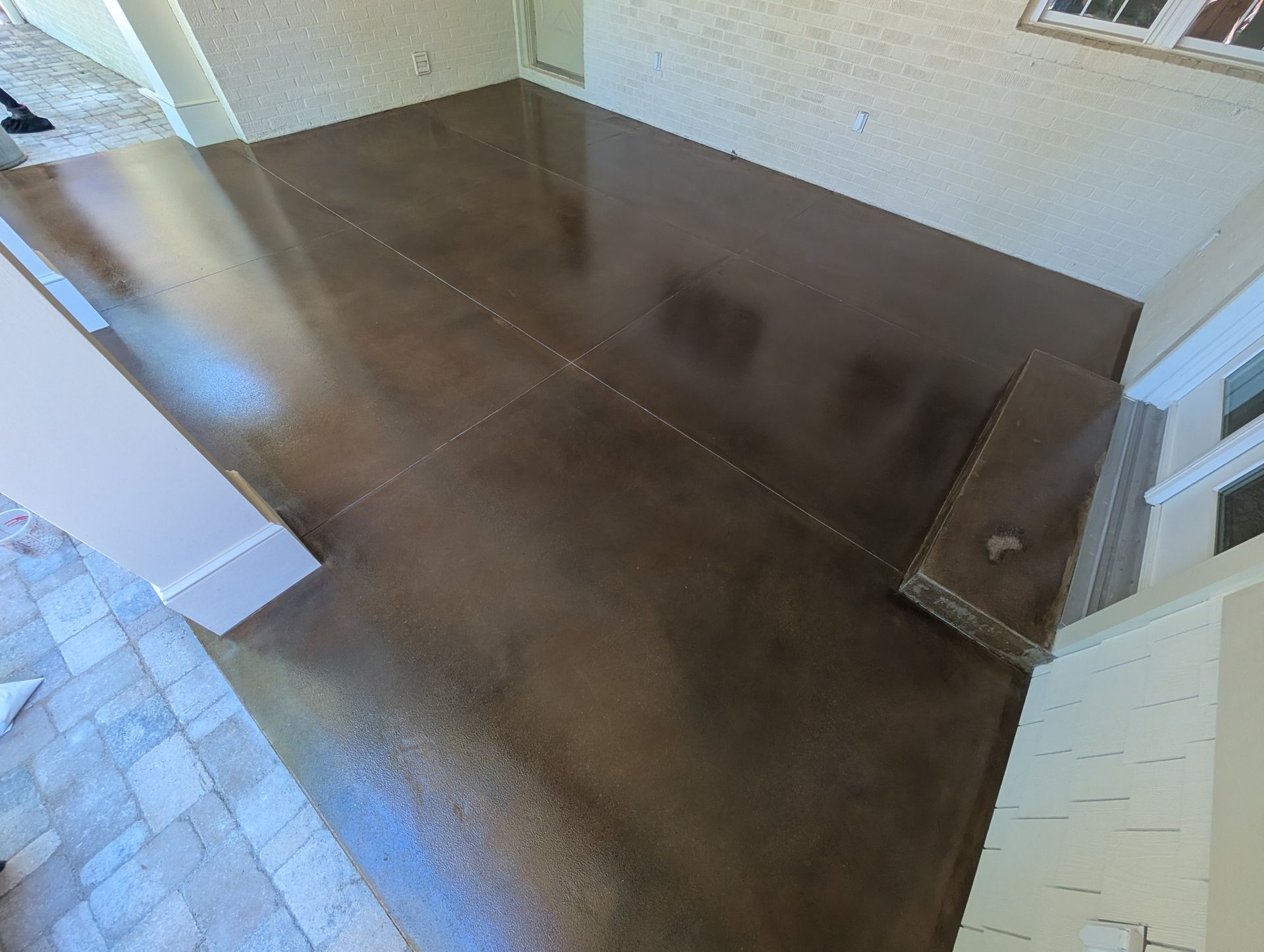
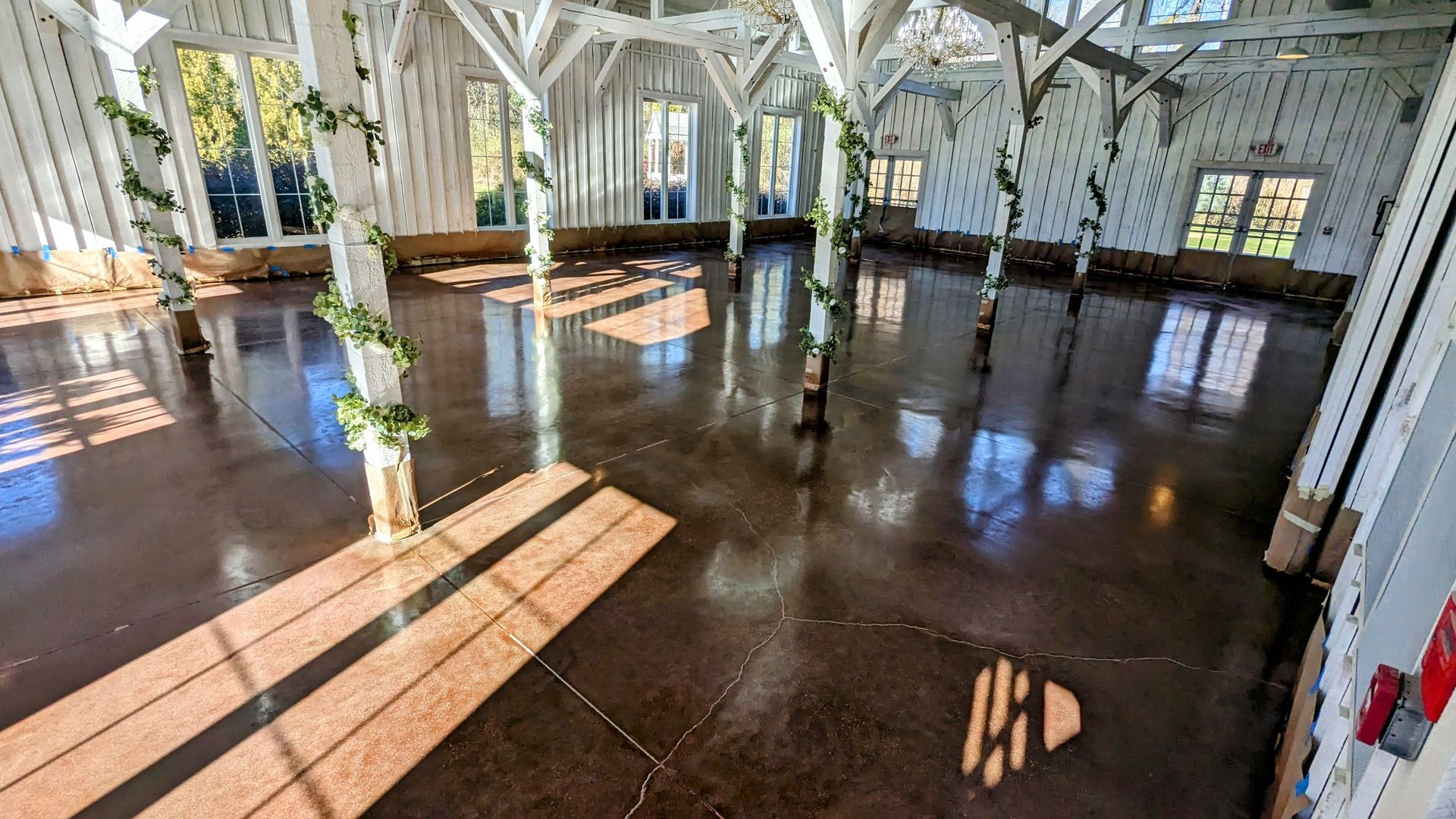
The Eco-Friendly Features of Polished Concrete and Polish Guards
A Sustainable Flooring Choice
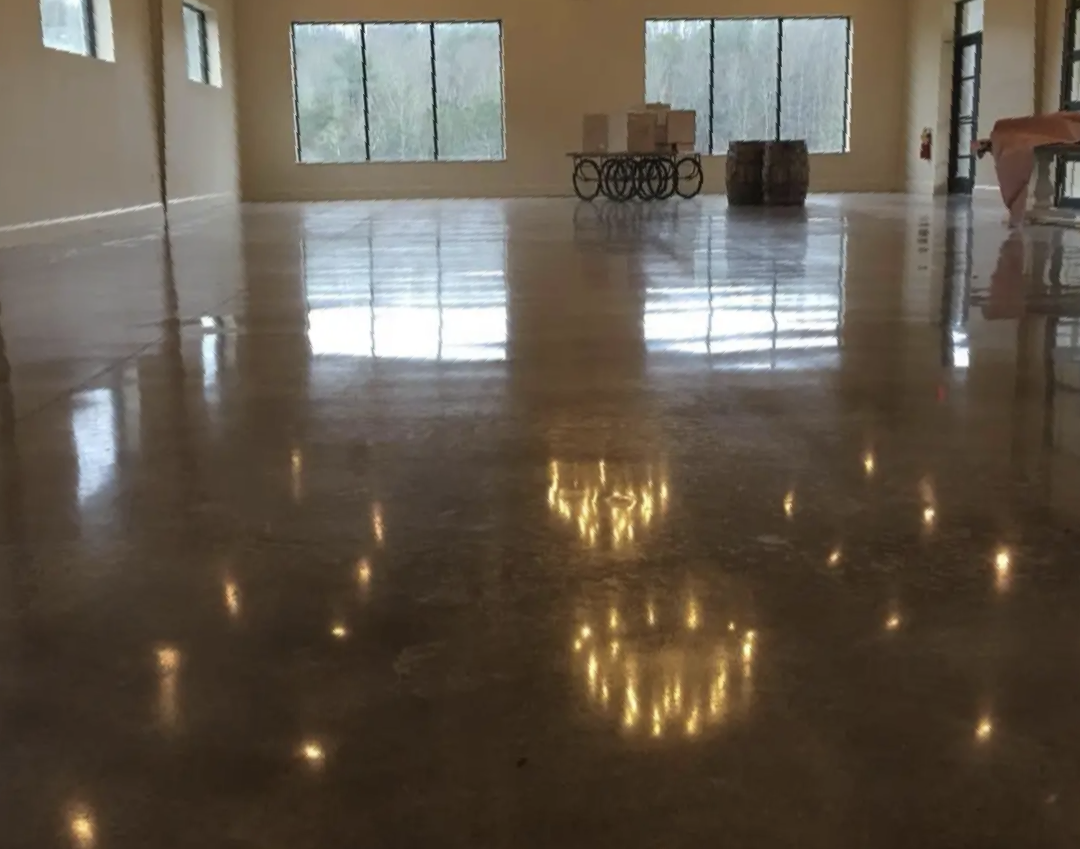
The Eco-Friendly Features of Polished Concrete and Polish Guards: A Sustainable Flooring Choice
In the search for environmentally friendly building materials, the flooring industry has witnessed a surge in interest in sustainable options. Among these,
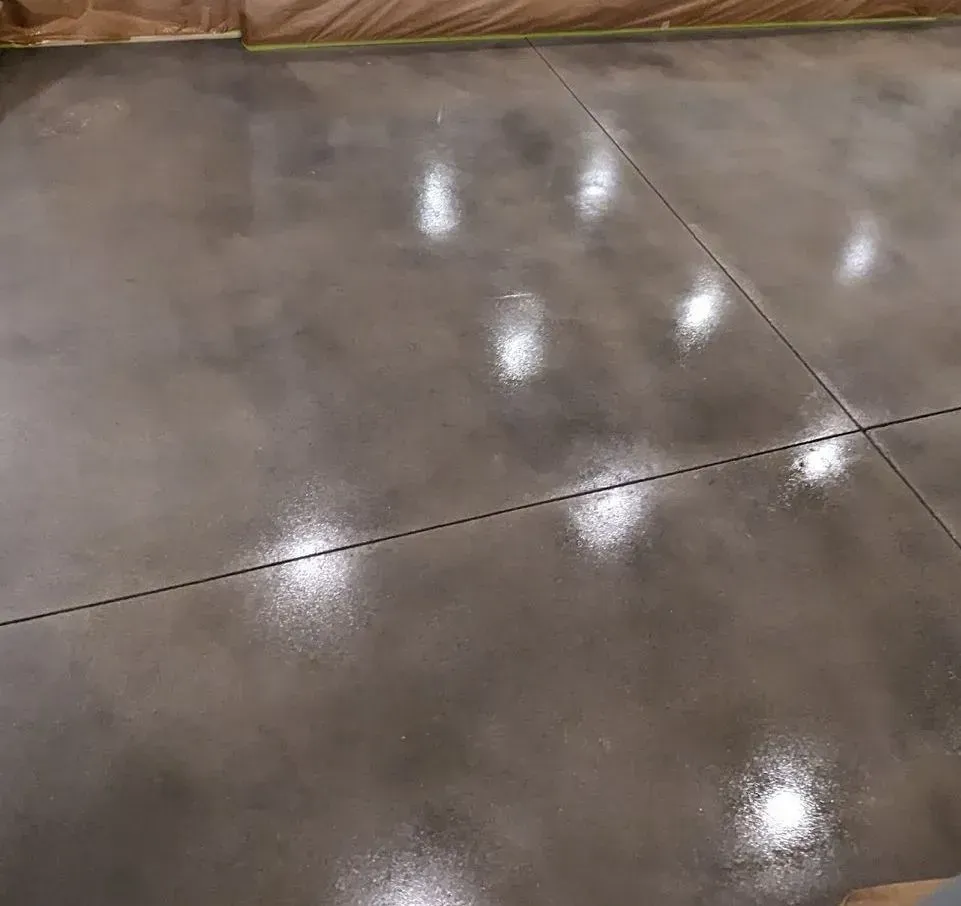
polished concrete emerges as a leading contender, boasting not only visual appeal but also a plethora of eco-friendly attributes. In this article, we delve into the sustainable aspects of polished concrete and the role of polish guards in bolstering its green credentials.
The Environmental Benefits of Polished Concrete
- Utilization of Existing Materials: Polished concrete maximizes the use of existing concrete slabs, minimizing the need for additional resources and reducing waste. By repurposing an already available material, it decreases the environmental impact associated with new construction materials.
- Energy Efficiency: Compared to alternative flooring options, the process of polishing concrete consumes relatively low energy. This is particularly significant when contrasted with the energy-intensive production processes of materials like tiles or carpets. The energy-efficient nature of polished concrete aligns with sustainability goals by curbing overall energy demand.
- Longevity and Durability: Polished concrete is renowned for its exceptional durability. With proper maintenance, these floors can endure for decades, outlasting many traditional flooring materials. This longevity not only lessens the need for frequent replacements but also diminishes the volume of waste generated over the building's lifespan.
- Low Maintenance Requirements: Polished concrete floors are celebrated for their minimal maintenance needs. Unlike carpeting or certain types of tile, they do not necessitate frequent cleaning with harsh chemicals. Simple methods such as regular mopping and occasional resealing suffice to maintain their pristine appearance, reducing the environmental footprint associated with cleaning products and water usage.
- Sustainable Material Composition: Concrete, the primary constituent of polished concrete floors, comprises natural materials such as limestone, sand, and water. Its abundance and relatively low environmental impact render it a sustainable choice for flooring applications. Moreover, the absence of volatile organic compounds (VOCs) in polished concrete contributes to healthier indoor air quality.
Enhancing Sustainability with Polish Guards
While polished concrete offers numerous green features independently, the application of polish guards further enhances its sustainability profile. Polish guards are utilized to augment the sheen of polished concrete surfaces, shield against stains, and prolong their lifespan. When selecting polish guards, opting for eco-friendly formulations can heighten the environmental benefits of polished concrete floors:
- Water-Based Formulations: Choosing water-based polish guards curtails the emission of harmful chemicals into the environment. These formulations exhibit lower levels of VOCs compared to solvent-based alternatives, promoting improved indoor air quality and reduced environmental impact.
- Low Toxicity: Eco-friendly polish guards prioritize ingredients with low toxicity, minimizing potential harm to both human health and the environment. By eschewing hazardous chemicals, they foster safer working environments during application and ensure minimal environmental contamination over time.
- Biodegradability: Certain polish guards are designed to be biodegradable, meaning they naturally decompose over time without accumulating in the environment. This attribute aligns with sustainability principles by diminishing long-term environmental persistence and potential harm to ecosystems.
Conclusion
In the realm of sustainable flooring options, polished concrete emerges as a shining example of eco-friendly design. Its utilization of existing materials, energy efficiency, longevity, and low maintenance requirements render it a preferred choice for environmentally conscious builders and homeowners alike. By incorporating polish guards with eco-friendly formulations, the sustainability of polished concrete floors can be further augmented, paving the way for greener living spaces and a brighter environmental future.