How Long Does Polished Concrete Actually Last in Upstate SC's Climate?
One of the most common questions we get from business owners and homeowners in Greenville, Greer, Spartanburg, and across the Upstate is a simple one: how long is this going to last?
It's the right question to ask. Polished concrete is a significant investment — more upfront than VCT, roughly on par with mid-range tile — and the whole justification for choosing it is that it lasts longer and costs less over time. If you can't trust the lifespan claim, the math doesn't work.
Here's the honest answer for our specific climate, broken down by what actually determines how long a polished concrete floor holds up in the Upstate.
The Real Numbers: 10 to 25+ Years
A properly installed polished concrete floor in South Carolina should last 15 to 25 years before any major renovation is needed — and in many cases significantly longer. That range covers most commercial and residential applications in the Upstate.
The lower end of that range applies to high-traffic commercial spaces with heavy equipment, chemical exposure, and minimal maintenance. The higher end applies to well-maintained residential or light commercial floors with periodic re-burnishing and sealer refreshes.
For context:
- VCT in commercial use typically needs full replacement at 7-12 years
- Ceramic tile in commercial use typically shows significant wear and grout failure at 8-15 years
- LVP in commercial use typically needs replacement at 5-10 years
- Polished concrete outlasts all three — sometimes by a wide margin
But lifespan isn't uniform. What you actually get depends on the system level, how the floor is used, and how South Carolina's climate interacts with both.
What Upstate SC's Climate Does to Polished Concrete
The Upstate isn't the easiest climate for any flooring system. A few factors that specifically affect polished concrete here:
Humidity and Moisture Vapor
Greenville and the surrounding Upstate run high ambient humidity for most of the year. For polished concrete, the primary concern is moisture vapor transmission through the slab — especially for below-grade spaces like basements and ground-level industrial floors. Slabs that weren't densified properly are more porous and more susceptible to moisture interaction over time.
A properly densified slab handles Upstate humidity without issue. A slab that was ground but not densified — or densified lightly — will absorb more moisture over time and lose hardness faster.
Thermal Cycling
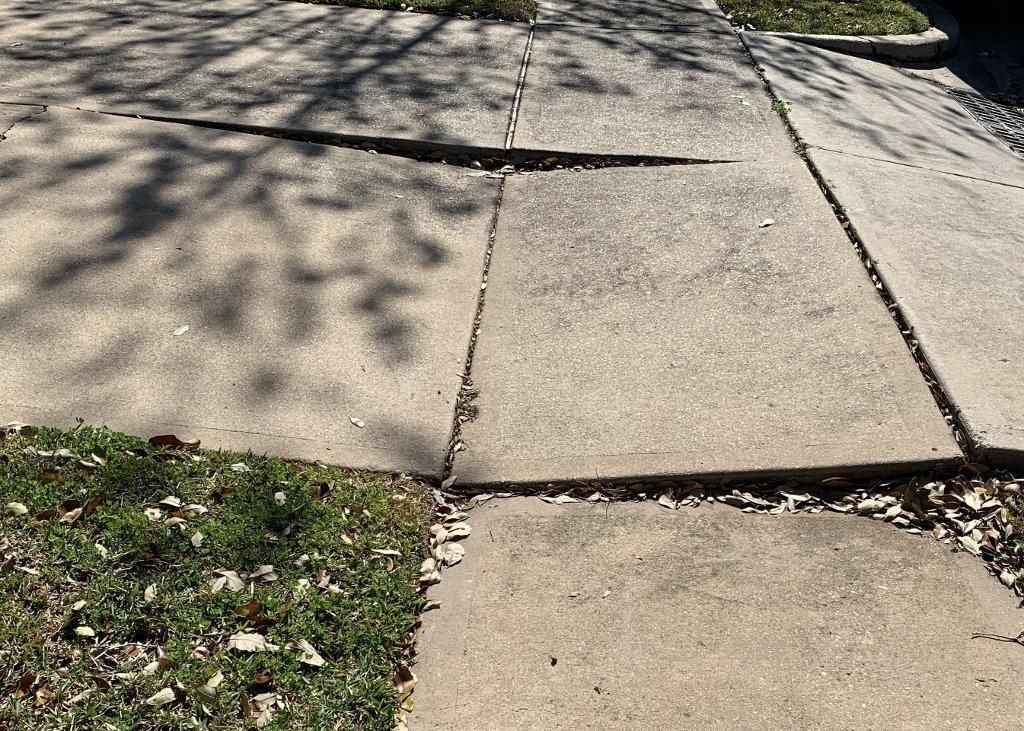
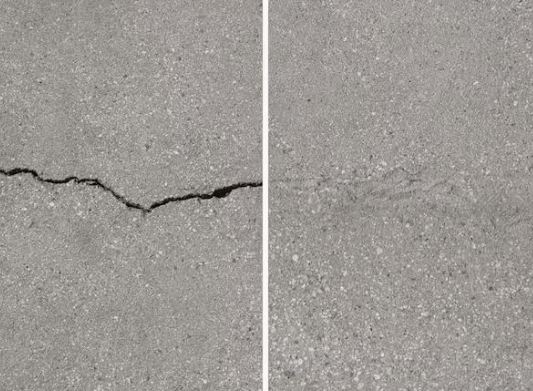
South Carolina's combination of hot summers and mild but real winters creates thermal cycling — the slab expands and contracts with temperature changes. This is more pronounced near exterior doors, loading docks, and uninsulated spaces. Over years, thermal cycling can open micro-cracks or stress existing crack repairs if the floor wasn't properly prepared.
The fix is correct crack repair before polishing — and not filling after. We see floors crack through patched areas within a few years when the repair was done in the wrong sequence.
Heat and UV in Certain Spaces
Upstate summers put significant heat load on south-facing and western-facing floors near large windows. This matters more for the sealer than the polish itself — the wrong sealer breaks down under UV and heat cycling, leaving the surface unprotected. The right sealer, matched to the exposure level, holds up without issue.
What Wears First — and When
Polished concrete doesn't fail all at once. It ages in a sequence, and understanding that sequence helps you maintain it correctly:
- Years 1-5: Floor looks essentially new. Minor scuffing from foot traffic. No maintenance needed beyond regular cleaning.
- Years 3-7: Topcoat or guard layer begins to lose its initial sheen in high-traffic zones — entrance areas, aisles, pivot points. This is cosmetic and normal. A burnish with a high-speed floor machine restores the sheen. Not a failure, just normal wear.
- Years 5-10: On heavily trafficked commercial floors, the guard layer may need refreshing. Still not a structural failure — a topcoat refresh is fast and inexpensive compared to floor replacement.
- Years 10-15: On a properly installed floor, the densified concrete itself is still solid. What's aging is the surface protection layer. A re-seal and re-guard at this point can realistically extend the floor's life another 10-15 years.
- Years 15-25+: Well-maintained floors often still look good at this range. A floor that received a re-seal around year 10 and regular burnishing is performing as intended.
The pattern we see most often: a floor that looks "failed" at year 8 is actually a floor that was never re-burnished after year 3. The concrete is fine. The guard is worn. That's a maintenance issue, not a product failure — and it's fixable without replacing the system.
What Actually Determines Your Floor's Lifespan
1. Quality of Densification
Densification is the chemical process that hardens the concrete surface and reduces porosity. Done correctly, it's what makes polished concrete harder than the original slab. Done lightly or skipped, the floor wears faster, stains more easily, and is more susceptible to moisture.
Our commercial concrete polishing work always includes proper densification as a non-negotiable step. It's what the long lifespan claims are actually built on.
2. Sealer Selection for the Environment
Interior sealer on a floor near skylights or large south-facing windows will break down faster than a UV-stable sealer specified for that exposure. A standard guard on a warehouse floor with forklift traffic will wear faster than a heavy-duty guard spec'd for that use. Matching the sealer to the actual environment is where a lot of lifespan variation comes from.
3. Maintenance Frequency
Polished concrete doesn't need much maintenance — but it needs some. Auto-scrubbing regularly (vs. mopping with dirty water), burnishing when the sheen starts to dull, and addressing spills quickly all extend lifespan significantly. The same floor installation will perform very differently at year 10 in a well-maintained facility vs. one that ignores the floor entirely.
4. Traffic and Use
A polished concrete floor in a Greenville retail showroom will look better at year 15 than the same floor in a Spartanburg distribution center with 50 forklift passes per day — even with identical installation quality. Higher-traffic and higher-abuse applications need more maintenance touchpoints to hit the same lifespan.
When to Re-Seal vs. When to Refinish vs. When to Redo
Knowing which intervention is right saves money and extends the floor's useful life:
- Re-seal / re-guard (every 5-10 years depending on traffic) — restores stain protection and sheen. Fast, inexpensive, no grinding required.
- Re-burnish (every 1-3 years in commercial, as needed in residential) — restores gloss in worn areas using a high-speed floor machine. No product application needed.
- Light refinish (after 10-15 years in heavy use) — re-grind the top layer lightly, re-densify, re-seal. More involved than a re-seal but far cheaper than a full redo.
- Full system redo (15-25+ years, or after significant damage) — grind back to bare concrete and start fresh. At this point the floor has likely earned its cost many times over.
Our floor restoration work covers all four levels — from a quick burnish to a full system redo, depending on what the floor actually needs.
How ZDC Thinks About Lifespan in the Upstate
We've polished floors in Greenville, Greer, Spartanburg, Mauldin, Simpsonville, and Travelers Rest, and we've seen what holds up and what doesn't over years of real Upstate use. The floors that last the longest share three things: they were densified properly, they were sealed for their specific environment, and they received periodic maintenance instead of being ignored until they looked bad.
When we quote a polishing project, we're specific about the densifier, the guard system, and the maintenance program — because those three things determine whether the 15-25 year lifespan claim is real for your floor or just a marketing number.
Get a Free Estimate for Your Upstate Floor
Give Zach a call at
(864) 770-8608 or
reach out through our contact page. On-site consultations are free across Greenville, Greer, Spartanburg, Mauldin, Simpsonville, and the broader Upstate. We'll walk the slab, talk through the spec, and give you a realistic picture of what to expect.