Why Ignoring Control Joints Shortens Your Floor's Life

Most homeowners and facility managers don't think about control joints until they're staring at a crack that wasn't there last year. Joint filling is one of the least glamorous services we offer at Zachary Daniel Concrete — and one of the most important. It's cheap insurance against a much bigger repair bill down the road, and it's a step a lot of concrete work in Greenville, Simpsonville, Mauldin, and the Upstate skips entirely.
Here's what control joints actually do, why they fail, and how to know if your slab needs attention now.
What Control Joints Are For
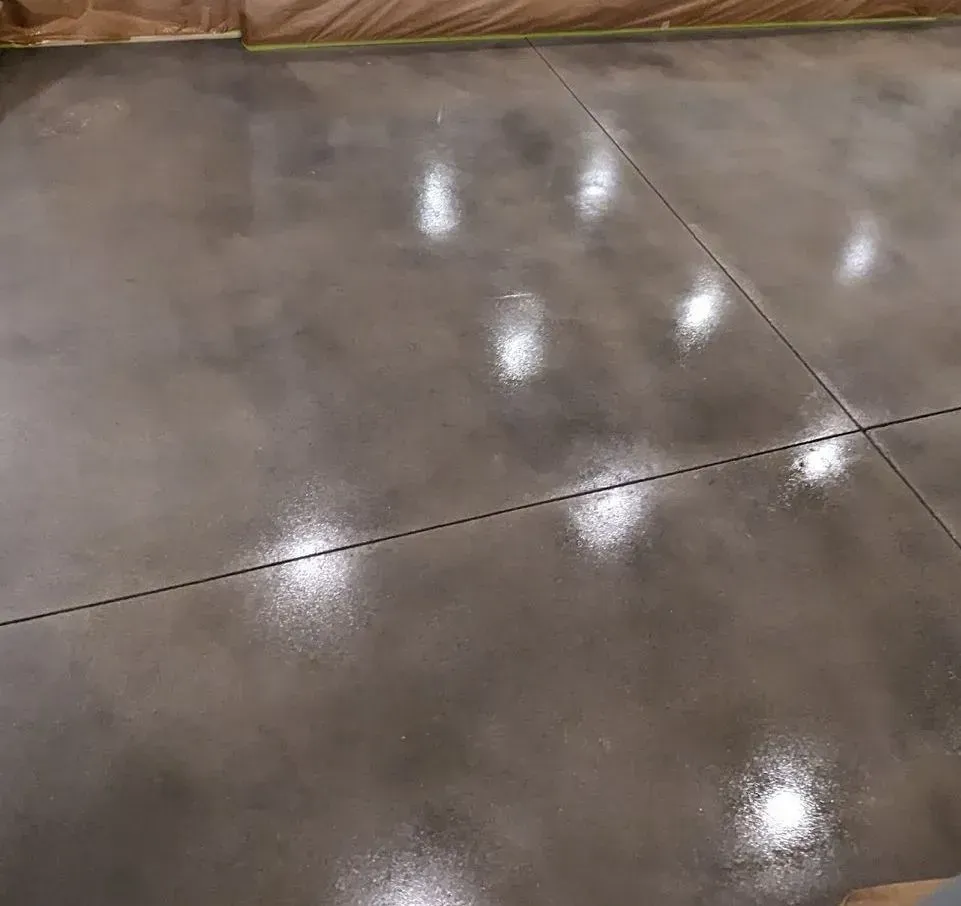
Concrete shrinks as it cures and moves slightly with temperature swings. Control joints are the intentional cuts placed in a slab to tell that movement where to happen — so the concrete cracks in a straight, planned line instead of a random spiderweb across your driveway, patio, or warehouse floor.
The joint itself is a gap. Left empty, that gap collects water, dirt, and debris. Water that sits in a joint freezes in winter, expands, and pushes the slab edges apart. Dirt and debris in the joint create hard points that chip under vehicle or foot traffic. Over time, an unfilled joint stops being a control feature and starts being the source of the damage it was designed to prevent.
Signs Your Joints Need Attention
- Cracking radiating out from the edges of an existing control joint
- Visible gaps where old caulk or sealant has shrunk, cracked, or pulled away
- Weeds or grass growing up through joints in a driveway or walkway
- Chipped or crumbling concrete along the joint edge
- Standing water collecting in the joint after rain
Any one of these is worth a call. Left alone, they compound — a chipped joint edge collects more debris, which holds more moisture, which accelerates the chipping.
What We Actually Do
Our crack and joint filling process starts with removing the old, failed material — caulk, dirt, and any loose or spalled concrete — down to a clean, sound joint. We then install a flexible, semi-rigid, or self-leveling filler depending on the joint's location and use case: flexible sealants for exterior slabs that see temperature swings, and semi-rigid epoxy fillers for interior floors like garages and warehouses that need a hard, forklift-rated joint that won't compress under load.
The right filler matters as much as the application. A flexible sealant in a warehouse aisle will compress under forklift traffic and fail fast. A rigid epoxy filler on an exterior slab that sees real freeze-thaw cycles will crack out within a season. Matching the material to the environment is the difference between a repair that lasts years and one that needs redoing next spring.
Why This Matters Before Any Coating or Overlay
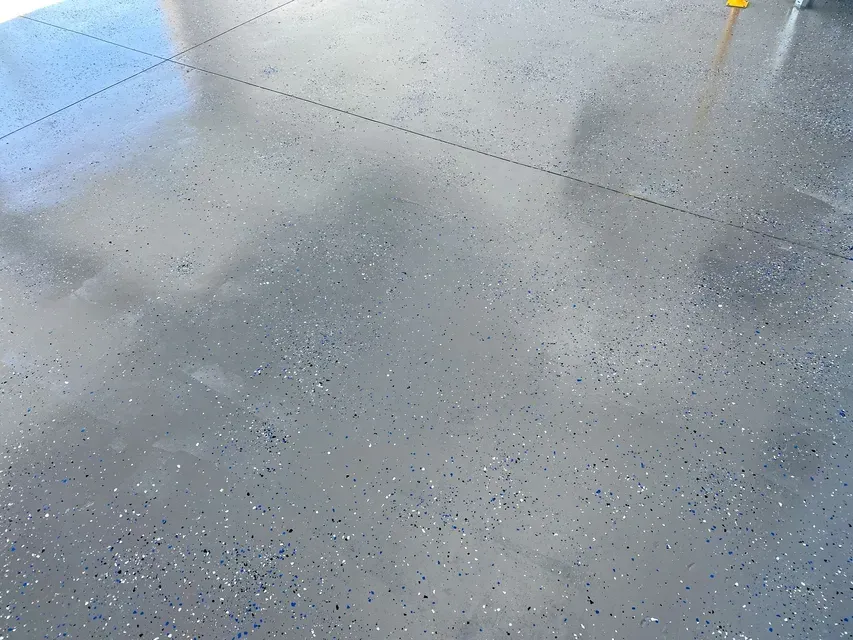
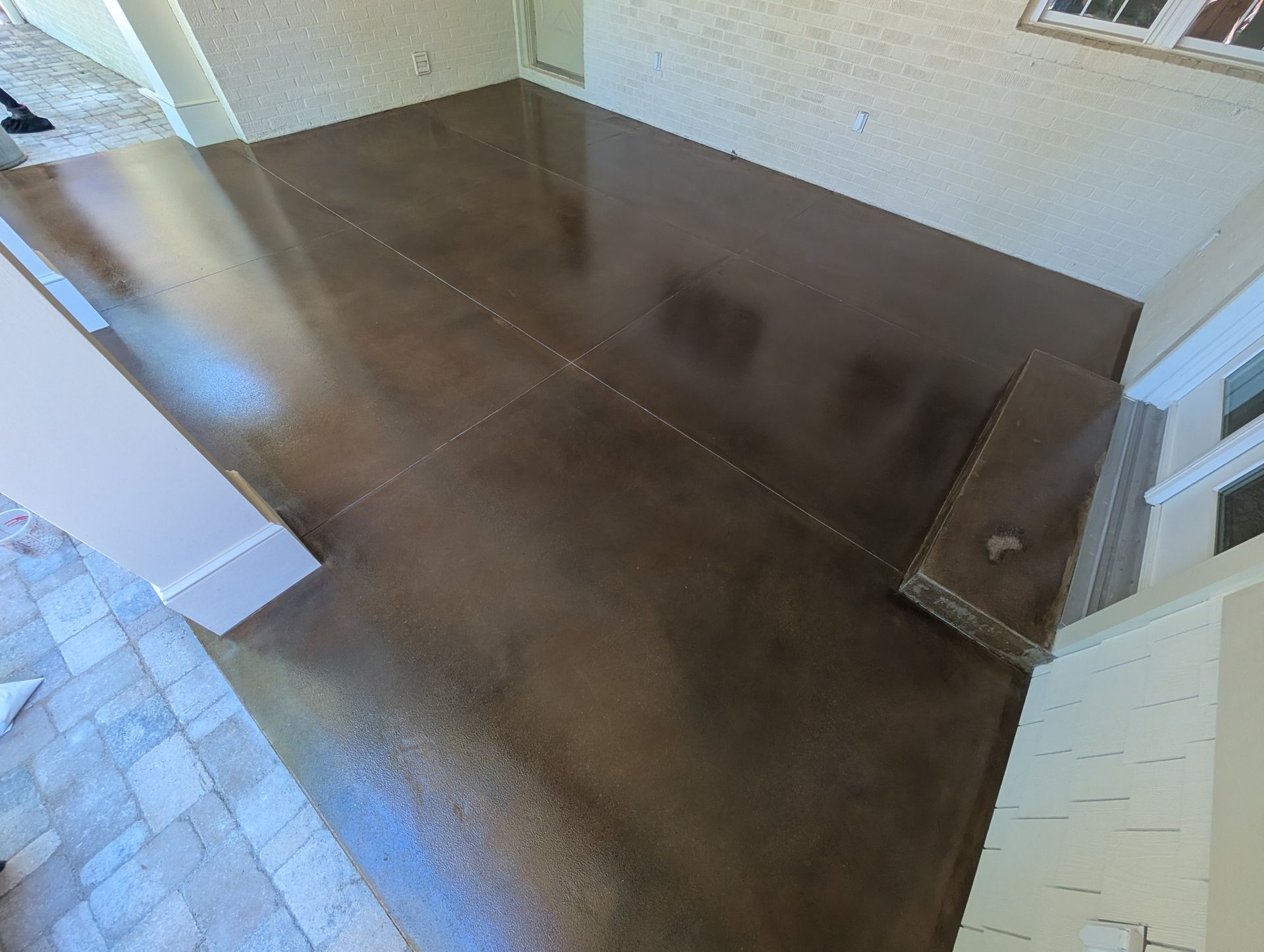
If you're planning an epoxy floor, a stained concrete finish, or an overlay, joint filling isn't optional — it's a prerequisite. Any coating applied over a failing or unfilled joint will crack right along that same line, because the movement the joint was designed to control hasn't gone anywhere. We check joint condition on every resurfacing assessment we do, for exactly this reason.
Get Your Joints Assessed
Whether it's a residential driveway with a few cracked joints or a commercial warehouse floor overdue for a full joint survey, Zachary Daniel Concrete handles crack and joint filling across Greenville, Simpsonville, Mauldin, Easley, and the surrounding Upstate. Call Zach at (864) 770-8608 or request a free estimate online to get your slab assessed before small cracks turn into a bigger repair.