August 19, 2026
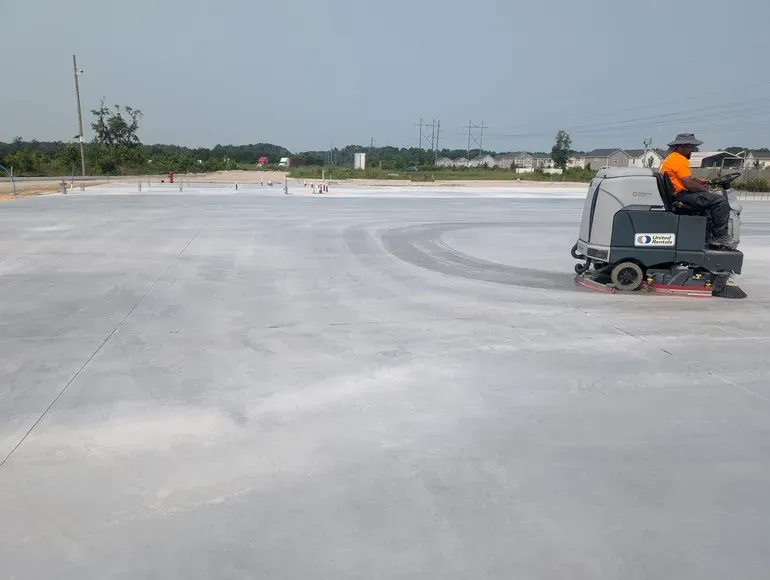
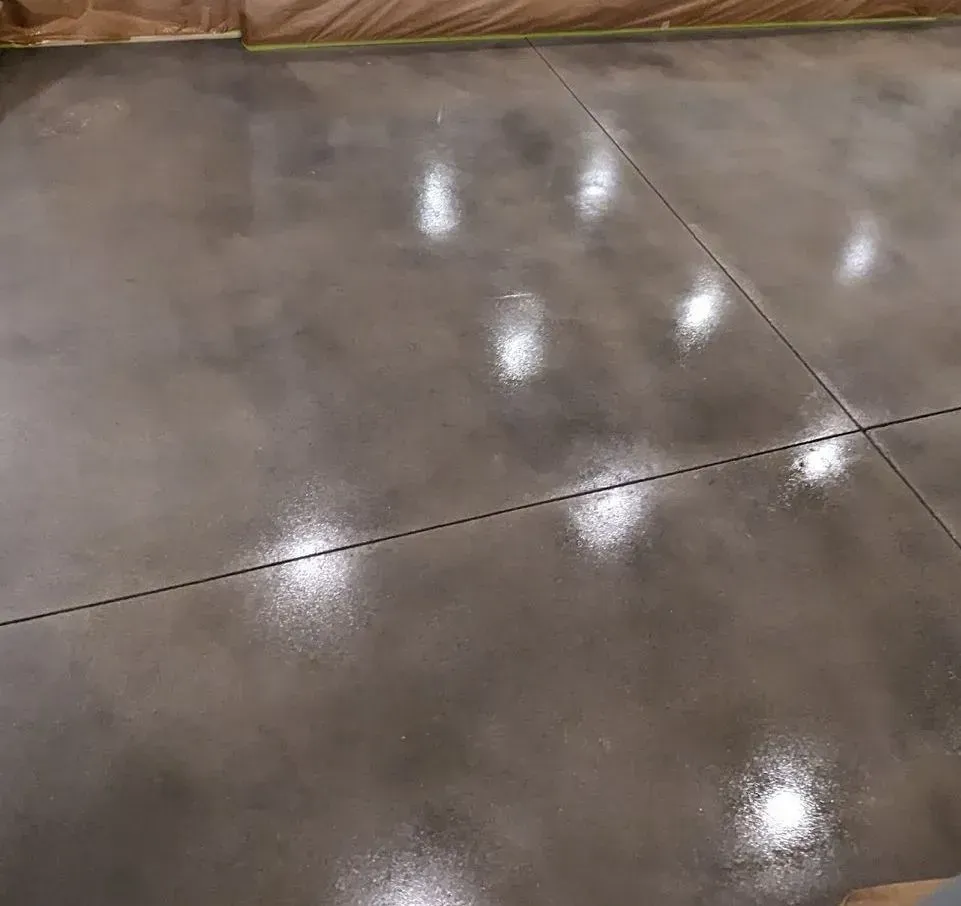
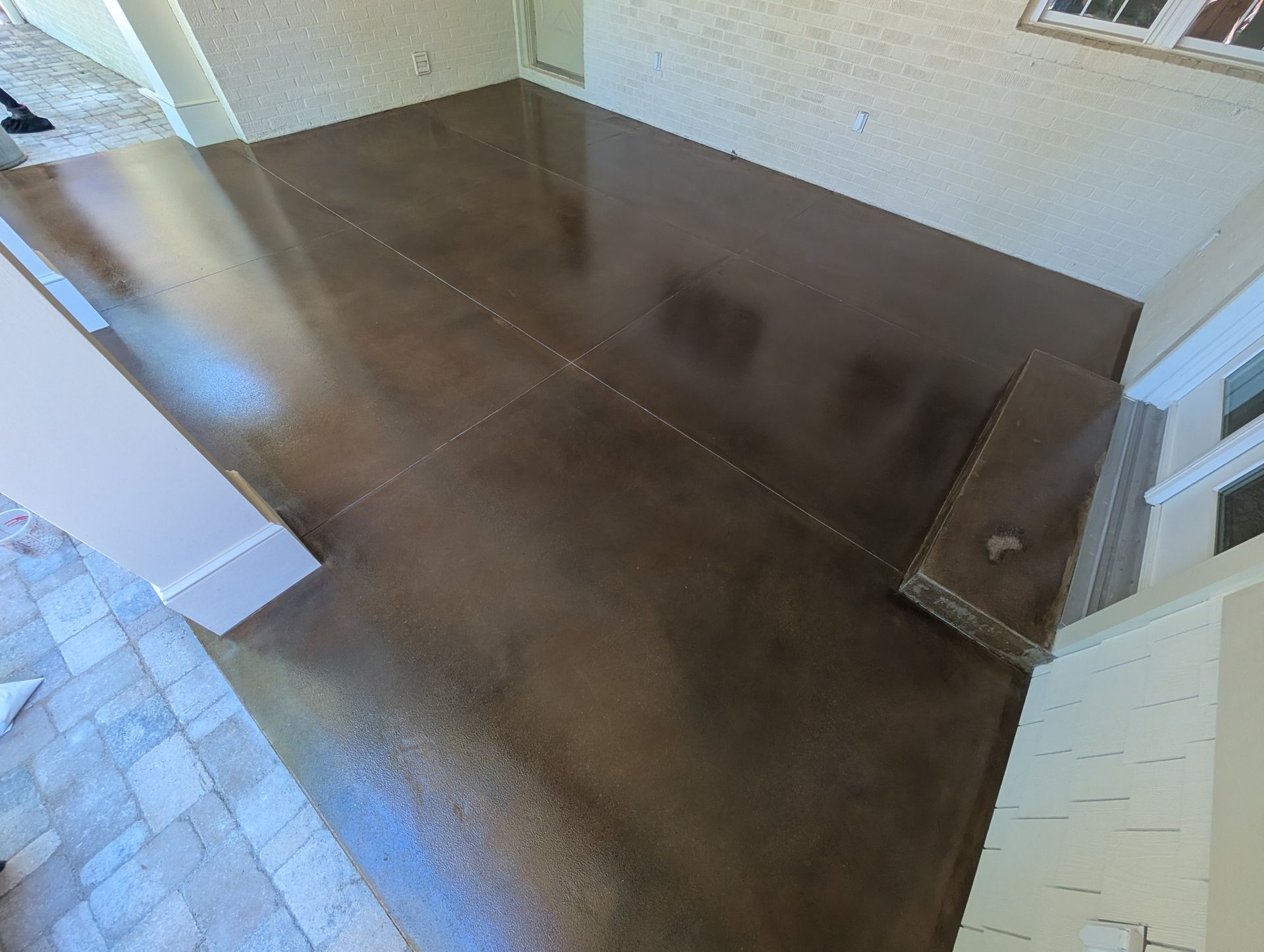
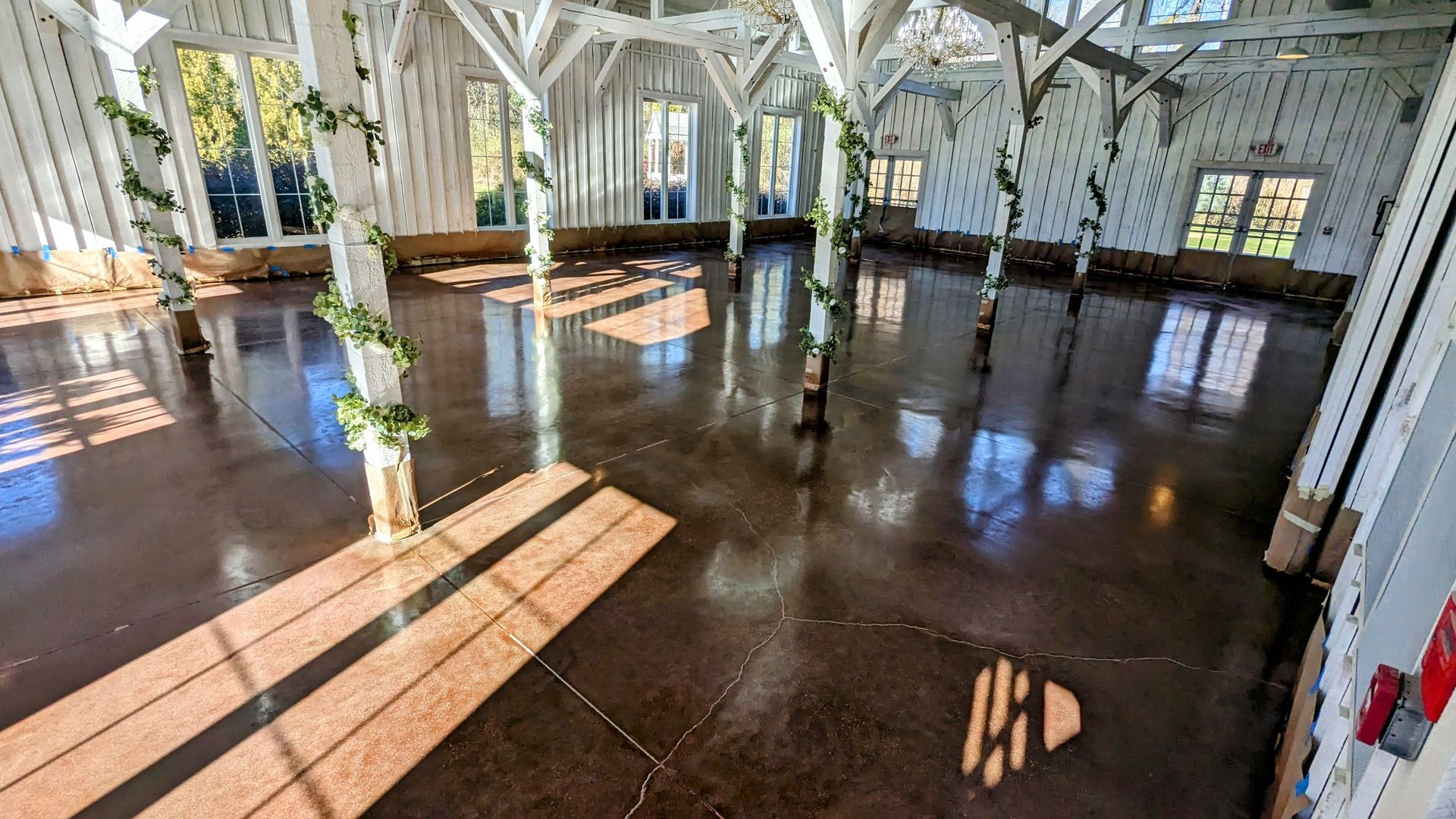
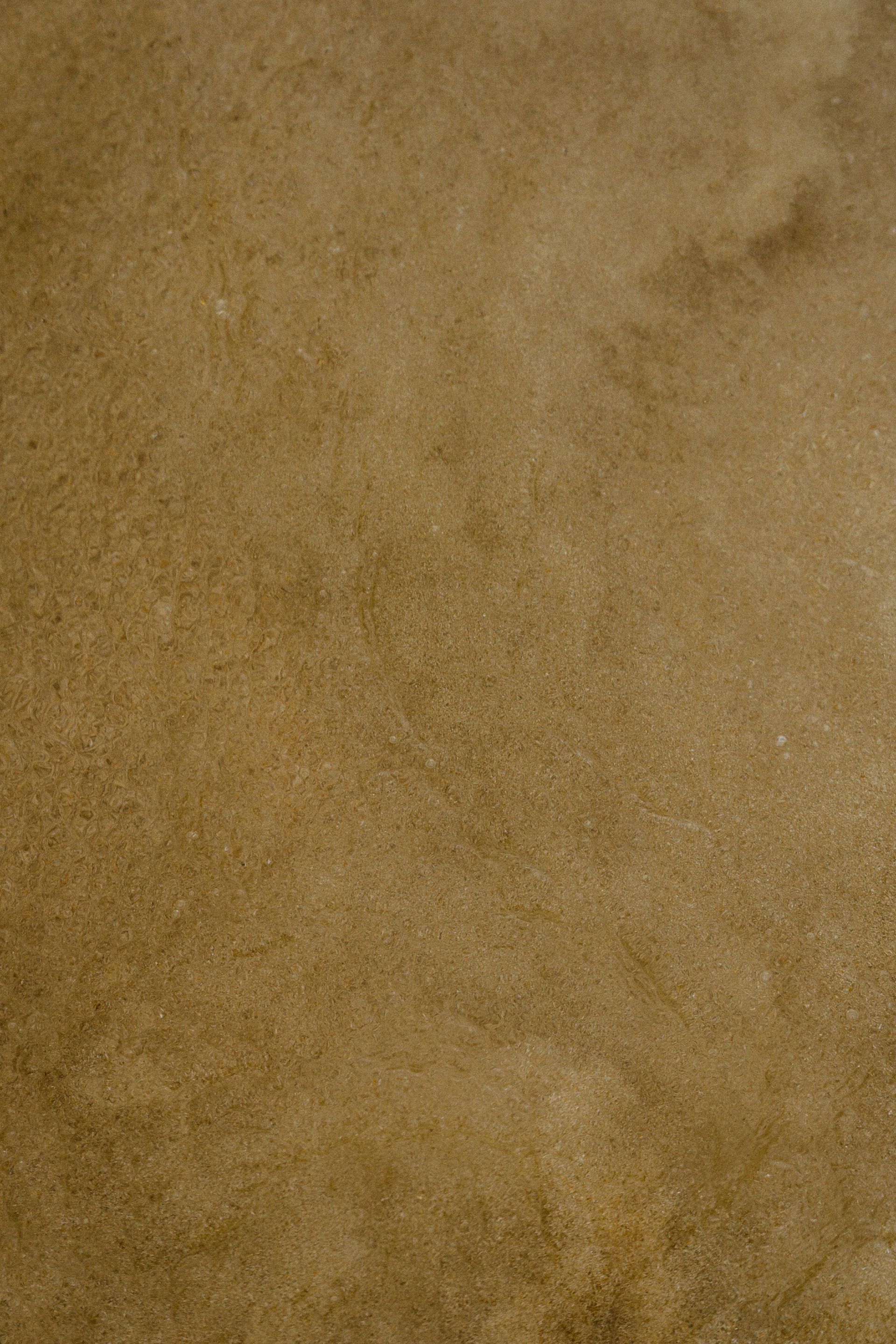
Concrete polishing has become the go-to floor upgrade for a huge range of Greenville buildings — retail stores, restaurants, warehouses, gyms, garages, basements, and increasingly, main-floor living spaces in modern homes. The look is clean and modern, the maintenance is minimal, and done right, the floor lasts decades. The question we get before almost every polishing project is the same: how much is this actually going to cost? Here's the honest answer for the Upstate market, broken down by the variables that actually move the price. No brochure numbers. No "starting at" pricing that doesn't reflect real projects. Just what Greenville homeowners and business owners should expect when they get quotes. The Range: $3 to $12 per Square Foot For most concrete polishing projects in Greenville, expect a per-square-foot price somewhere between $3 and $12 . That's a wide spread, and there's a reason — "concrete polishing" covers everything from a basic grind-and-seal on a warehouse slab to a fully aggregate-exposed, high-gloss finish in a boutique retail space. Same name, very different work. Broadly: Grind and seal (basic) — $3 to $5 per sq ft Standard polish, cream finish (satin/matte) — $5 to $8 per sq ft Salt-and-pepper polish (light aggregate exposure) — $7 to $10 per sq ft Full aggregate exposure, high-gloss polish — $9 to $12+ per sq ft Those ranges assume a slab in decent condition. Slabs that need major repair, moisture mitigation, or coating removal push higher. What Actually Moves the Price 1. Level of Polish The single biggest factor. Polishing concrete is a multi-step process using progressively finer diamond grits. The more steps we take, the higher the gloss and the more of the aggregate we expose — and the higher the price. Grind and seal — quick grind, densifier, sealer. Matte finish. Cheapest option, good for warehouses and utility spaces. Cream polish — polished at the cement paste level. Smooth, uniform, satin-to-gloss. The most common finish for retail, offices, homes. Salt-and-pepper polish — grind slightly deeper to expose the small aggregate near the surface. More texture, more character. Full aggregate exposure — grind deep enough to expose the larger stone in the slab. Dramatic, high-end look. More labor, more diamond wear, higher price. Our commercial concrete polishing work covers all four levels — the right one depends on how you want the floor to look and how it'll be used. 2. Slab Condition A clean, sound, level slab polishes fast. A slab with cracks, spalling, old coatings, oil contamination, or major surface repairs needs work before polishing can start. Coating removal alone can add $1-$3 per sq ft. Crack repair, joint filling, and patching all add up. This is where the biggest surprise cost usually shows up. A quote based on a bare slab is different from a quote based on the reality of a slab under 20-year-old vinyl tile. 3. Residential vs Commercial Small residential projects almost always cost more per square foot than large commercial jobs. A 500 sq ft basement polish carries all the mobilization, prep, and equipment overhead of a bigger job — spread over fewer square feet. A 30,000 sq ft warehouse spreads the same overhead much further. Practically, that means residential basements, garages, and main-floor projects typically fall in the $6 to $12 per sq ft range, while large commercial polishing lands closer to $3 to $7 per sq ft . 4. Color and Dye Standard polish is the natural gray of the concrete. Adding dye — during the polishing process — to shift the color toward warm gray, espresso, charcoal, or an earth tone adds cost, usually $1-$2 per sq ft. Not dramatic, but real. 5. Site Access and Scheduling Off-hours work, phased installation in operating businesses, upstairs floors requiring equipment carrying, and tight schedules all affect price. A polish job we can knock out in three uninterrupted days costs less than the same scope done overnight across a week. What a Real Greenville Project Costs To make it concrete, here's how typical Upstate projects tend to land: 500 sq ft residential basement , cream polish, dye added — $3,500 to $5,500 400 sq ft garage floor , salt-and-pepper polish — $3,000 to $4,500 2,000 sq ft main-floor open living space , cream polish — $10,000 to $16,000 2,500 sq ft retail store , cream polish with dye — $15,000 to $22,000 15,000 sq ft warehouse , grind and seal — $45,000 to $70,000 50,000 sq ft distribution facility , cream polish — $175,000 to $275,000 These are real ranges, not quotes. Every slab is different, and the only way to know your number is to have us walk it. Where Cheap Quotes Get Expensive The Upstate polishing market has a range of quality. We get called in regularly to fix polish jobs that another contractor did the wrong way — underground concrete, cheap tooling, skipped densification, wrong sealer. The pattern: Grind and seal sold as "polished concrete" — buyer expected a real polish, got a matte grind with sealer. Not the same product. Insufficient grit progression — the polish looks OK for a few months, then loses sheen fast because the surface was never actually refined. No or weak densification — polish is soft, wears through quickly, stains easily. Wrong sealer or none at all — floor absorbs stains within weeks and can't be recovered. Ask any contractor: what grit are you finishing at, what densifier are you using, what sealer, and how many passes. A quote that can't answer those clearly isn't really a polish quote. Our commercial concrete coatings options and polish specs are always written out so you know exactly what you're paying for. How to Get an Accurate Estimate The right way to budget for a polished concrete floor is an on-site walkthrough. We test the slab, talk through the finish level you want, discuss any prep required, and put together a written estimate that breaks out grinding, densification, polishing steps, dye if applicable, sealer, and any repair work. No vague line items, no surprises later. If the budget is tight, we can usually find a way to hit the visual you want at a lower spec — a cream polish instead of aggregate exposure, for example, or a sealed-and-densified concrete finish as an alternative path. Get a Free Estimate for Your Greenville Polishing Project Ready to see what your specific floor would cost? Give Zach a call at (864) 770-8608 or reach out through our contact page . On-site consultations and estimates are free across Greenville, Greer, Mauldin, Simpsonville, Spartanburg, and the broader Upstate.