Top 5 Advantages of Using Silicon Dioxide and Polypropylene in Concrete Mixes
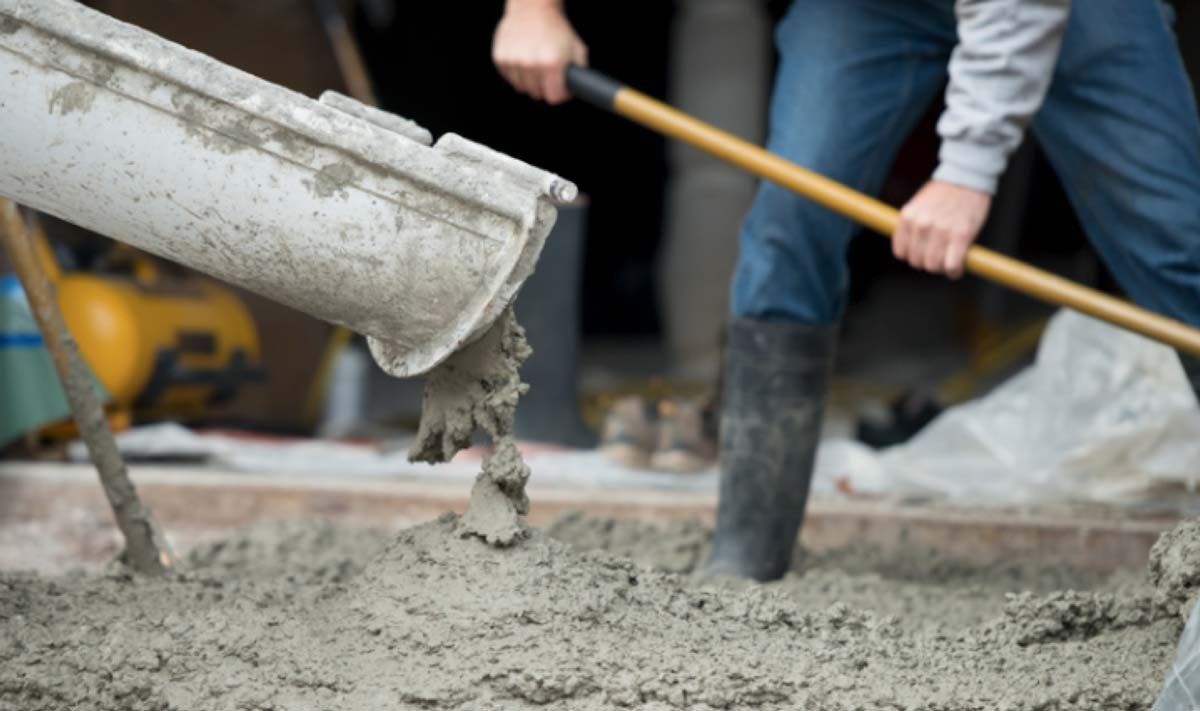
Modern construction demands innovative solutions for stronger, more durable structures. Silicon dioxide and polypropylene additives are revolutionizing concrete technology, offering significant improvements in strength, workability, and longevity. For contractors, developers, and architects, understanding these advantages is crucial for making informed decisions about construction materials.
What Are Silicon Dioxide and Polypropylene?
Silicon dioxide is an ultra-fine powder that acts as a pozzolanic material, reacting with cement to create stronger bonds within concrete. Polypropylene fibers are synthetic strands that provide three-dimensional reinforcement throughout the mixture. Together, they create a superior concrete product that addresses common construction challenges.
Advantage 1 - Enhanced Strength and Durability
When combined with concrete, silicon dioxide particles fill microscopic voids, creating a denser material structure. Polypropylene fibers distribute tension forces evenly, preventing crack formation. This combination increases compressive strength by up to 25% compared to traditional mixes.
The pozzolanic reaction of silicon dioxide continues over time, progressively strengthening the concrete matrix. Meanwhile, polypropylene fibers act as internal bridges, maintaining structural integrity even under significant stress.
Advantage 2 - Improved Workability
Despite adding reinforcement, these additives actually enhance concrete's flowability. Silicon dioxide particles act like tiny ball bearings, improving mix consistency. This makes the concrete easier to pour and finish, reducing labor costs and ensuring better placement in complex forms.
Advantage 3 - Resistance to Environmental Factors
The enhanced density from silicon dioxide significantly reduces water penetration, while polypropylene fibers provide protection against temperature fluctuations. This combination creates concrete that's:
- More resistant to freeze-thaw cycles
- Less susceptible to chemical attack
- Better protected against saltwater exposure
- More durable in extreme temperatures
Advantage 4 - Increased Longevity of Structures
Structures built with silicon dioxide and polypropylene-enhanced concrete show remarkable durability. The materials work together to:
- Reduce maintenance requirements
- Prevent common aging issues
- Extend service life by up to 30%
- Minimize repair costs
Advantage 5 - Cost-Effectiveness Over Time
While initial costs may be 10-15% higher than traditional concrete, the long-term savings are substantial. Reduced maintenance needs, longer service life, and improved durability result in significant cost savings over the structure's lifetime.
How Do Silicon Dioxide and Polypropylene Work Together?
These materials create a synergistic effect: silicon dioxide strengthens the concrete at the microscopic level, while polypropylene fibers provide macro-level reinforcement. This dual-action approach results in concrete that's both stronger and more flexible than traditional mixes.
FAQs About Silicon Dioxide and Polypropylene in Concrete Mixes
Why are silicon dioxide and polypropylene preferred in concrete?
They provide comprehensive improvement in strength, durability, and workability while being cost-effective long-term.
Do these additives affect the curing time of concrete?
They can slightly extend initial curing time but result in stronger final products.
Can silicon dioxide and polypropylene be used in all concrete applications?
Yes, they're suitable for most applications, from foundations to decorative concrete
Are these materials eco-friendly?
Silicon dioxide often comes from recycled materials, and both additives reduce concrete's lifetime environmental impact through increased durability.
What are the limitations of using silicon dioxide and polypropylene?
The main limitations are higher initial costs and the need for proper mixing procedures.
Conclusion
Silicon dioxide and polypropylene additives represent a significant advancement in concrete technology. Their combined benefits of enhanced strength, improved workability, environmental resistance, increased longevity, and long-term cost savings make them an excellent choice for modern construction projects.
For expert guidance on using silicon dioxide and polypropylene in your concrete projects, contact
Zachary Daniel Concrete. Our team specializes in advanced concrete applications and can help you achieve optimal results with these innovative materials.